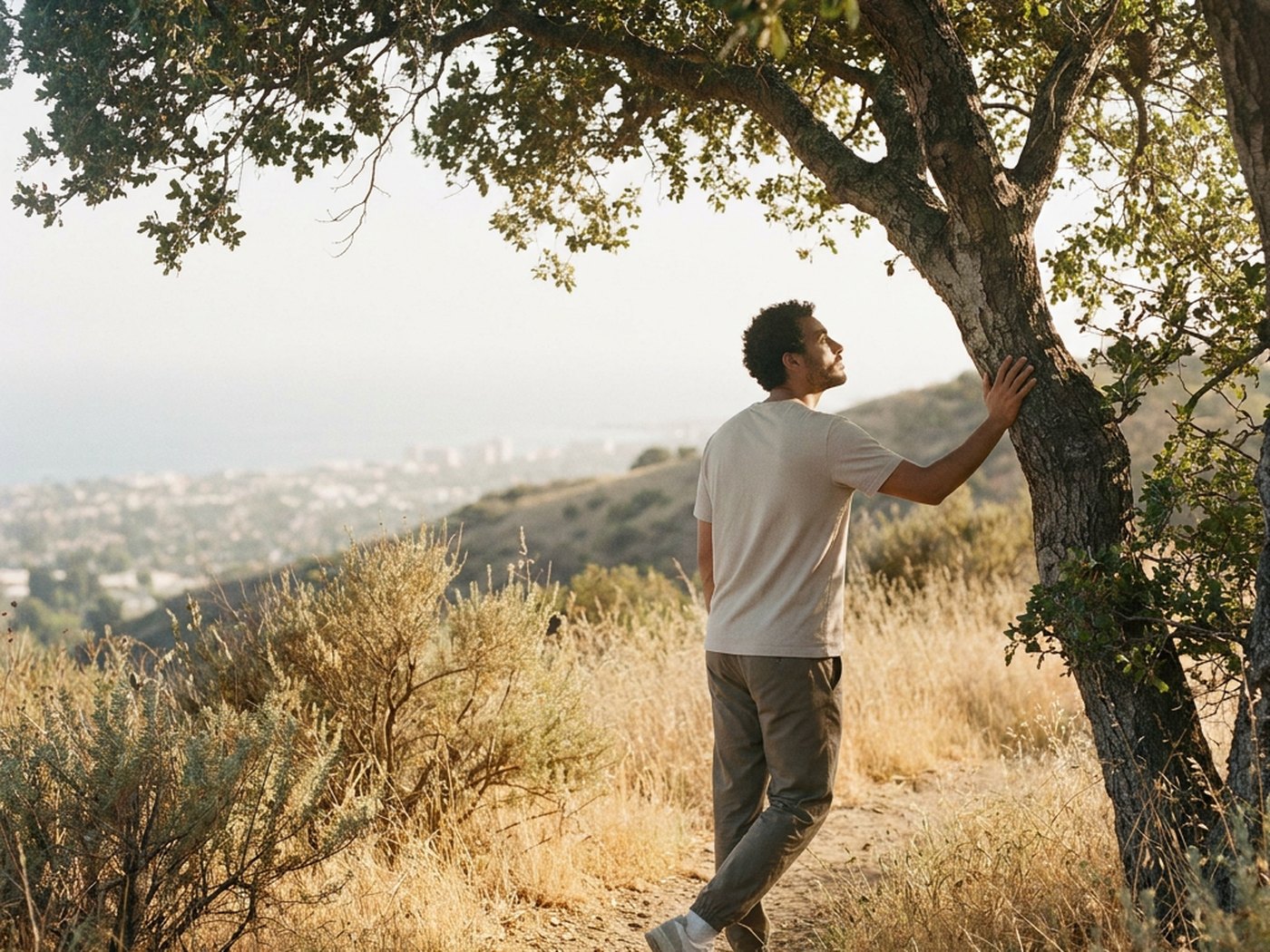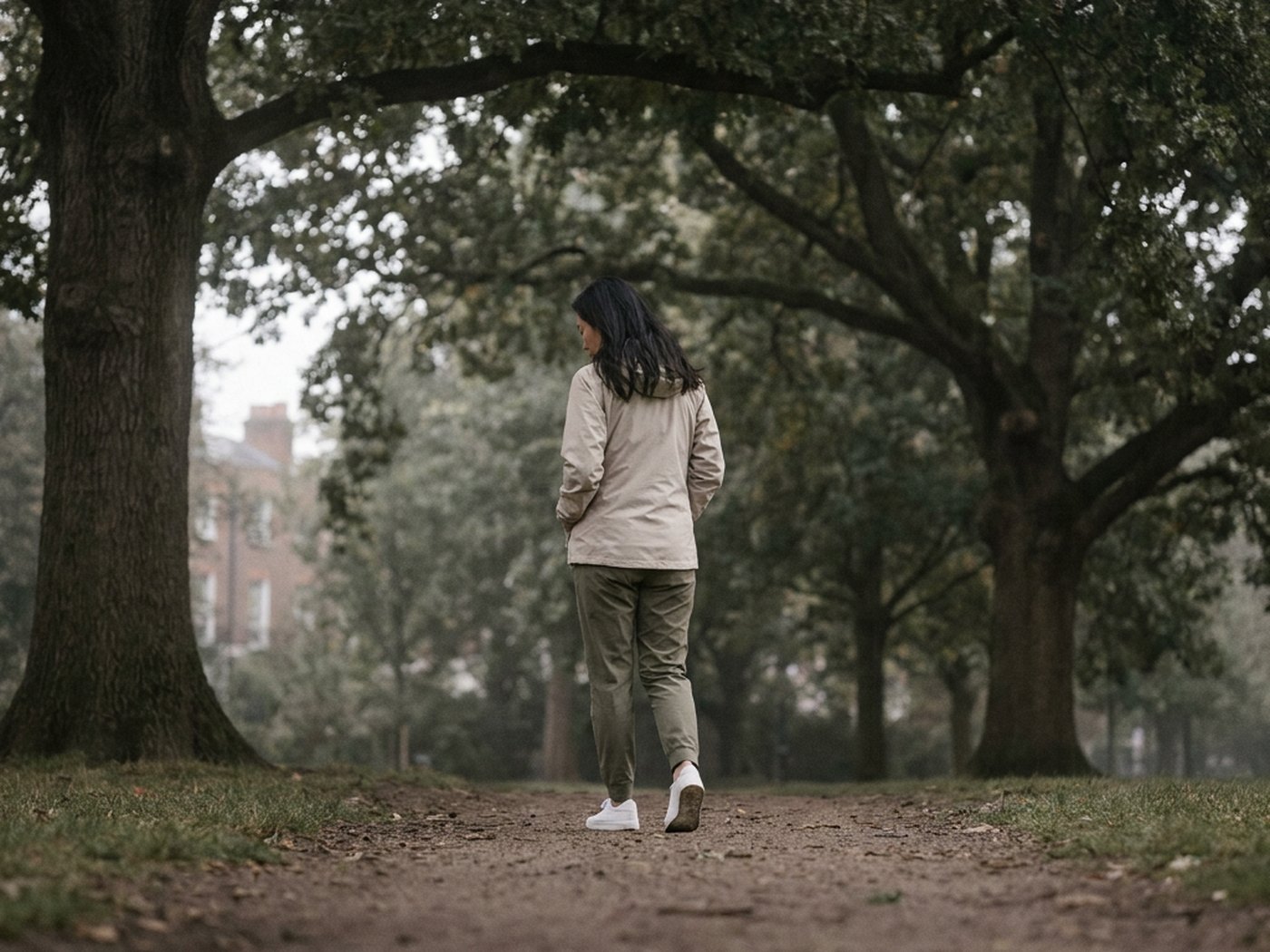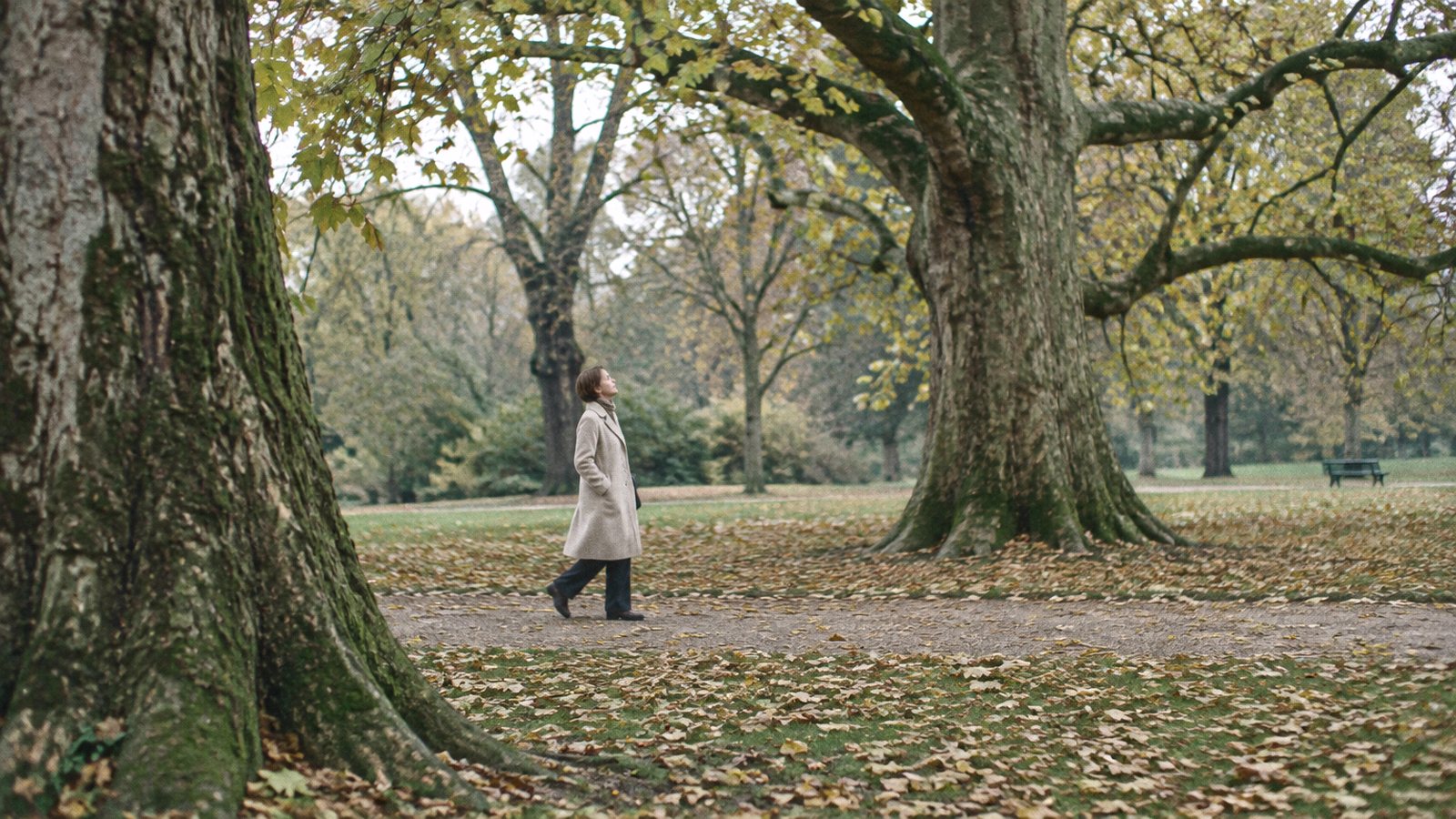

No forest required and no guide needed. Forest bathing is slowing down among trees and noticing what is there. Five steps, how long to stay, and what two studies found.
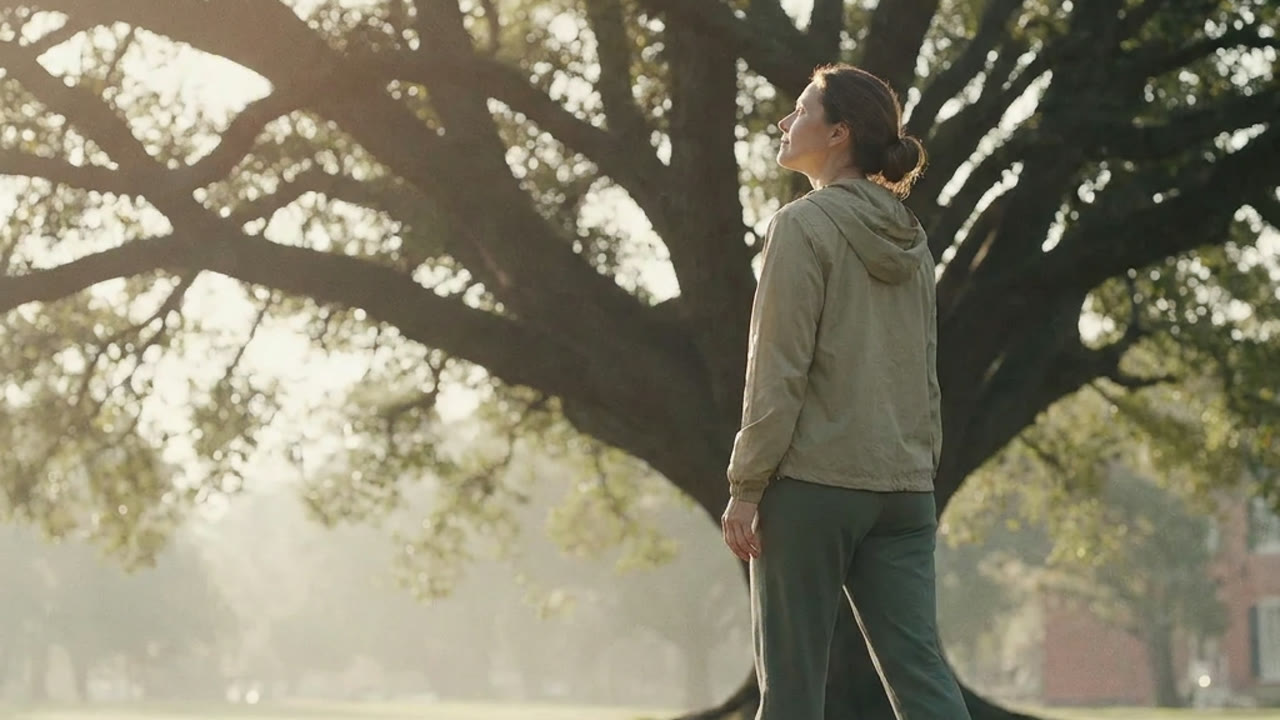
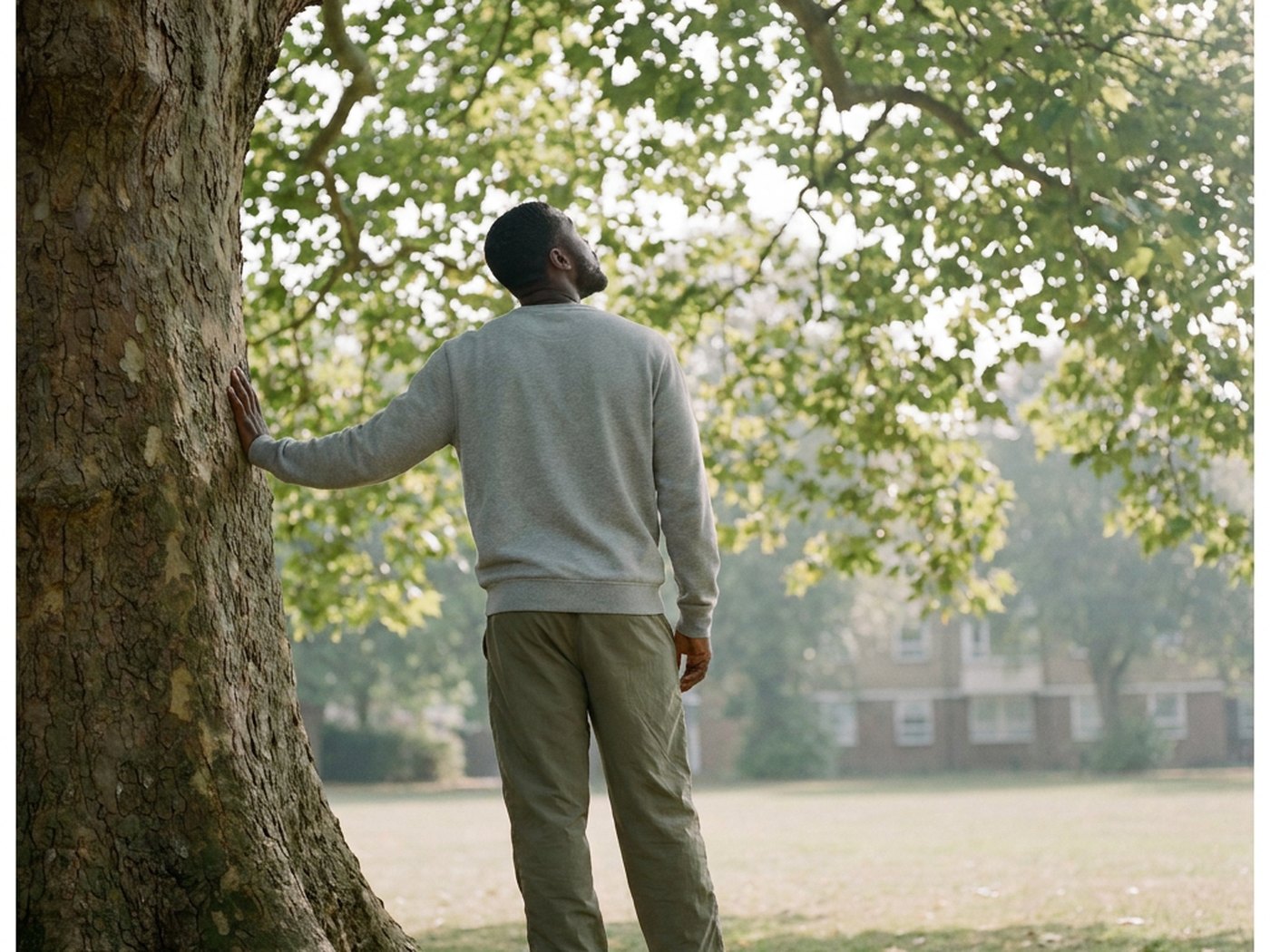
Forest bathing means spending slow, unhurried time among trees and taking the place in through your senses. The name translates the Japanese shinrin-yoku, coined in 1982 by the head of Japan's Forestry Agency to get more people into the forests to relax. Despite the name, there is no water involved. You walk less far than you planned, stop more often than feels normal, and notice what you usually walk past: the sound of leaves, the smell of the soil, the light moving on a trunk. That noticing is the whole practice.
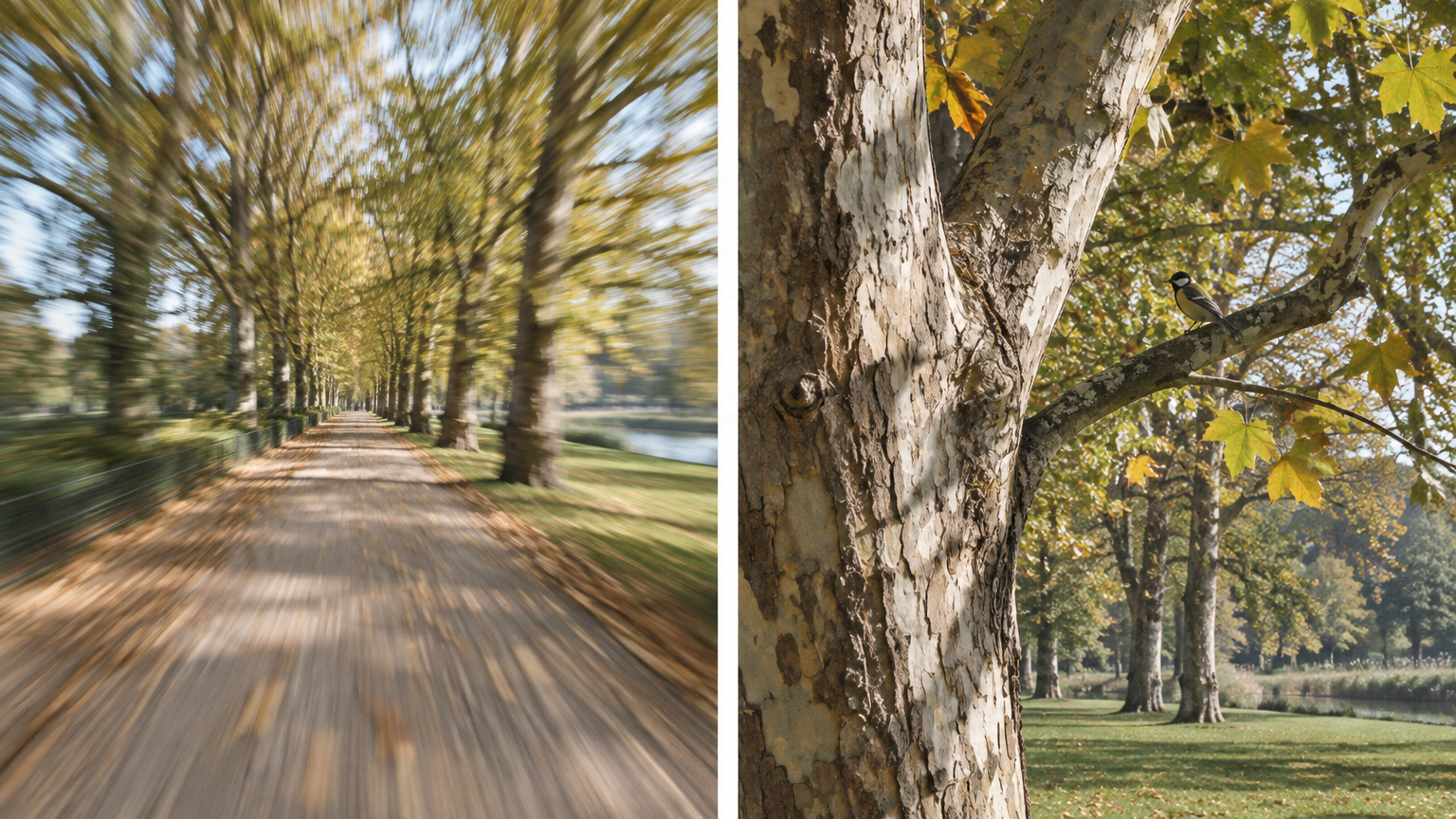
Most walks have a point: get somewhere, get the steps in, think something through. Forest bathing drops the point. It is slower and shorter than a hike, and where walking meditation usually anchors your attention in your feet and the rhythm of your steps, forest bathing sends it out to the place.
The classic study comes from Japan. In 24 forests, 280 young men walked for about 15 minutes and sat looking at the view for another 15. Afterwards their cortisol (a stress hormone), pulse and blood pressure were lower than after the same routine in a city.
A newer trial kept the attention the same and changed only the place. In Thailand, 30 students took two one-hour guided walks on back-to-back days, one in a forest at the edge of Bangkok and one along a busy city street, with the same mindful attention. Heart rate and blood pressure fell after both walks, and more after the city walk. Negative mood fell after the forest walk and rose after the city walk. It was a small trial, so read it as a first sign.
So no, it doesn't have to be a forest. Slow, attentive walking seems to do part of the work wherever you are, and trees may add something on top: for the body in the Japanese study, for mood in the Thai trial. A review of 28 studies concluded that forest bathing may help body and mood, and called the research still at an early stage. More in city nature counts.
They overlap. Forest therapy usually means a guided session with a trained guide who offers a series of small invitations to notice. Forest bathing is the wider idea, and you can do it on your own.
No. The five steps above are enough to go alone. If you want company and someone to set the pace, a guided group is a good start. If you go with a friend, agree to walk the first stretch without talking. More on that in silent walking.
Yes. Bare trees, wet bark and early dark give you different things to notice. Dress for the weather and keep it short. More in nature in winter, rain and dark.
We built Mindtrek for walks like this. Start a guided walk: pick 20 minutes and put the phone in your pocket. The voice gives you a few prompts to notice, then leaves you to it. Your first three guided walks are free.
Our Treks bring forest bathing into the route. Along the way are waypoints that work like a forest therapy guide's invitations: a moment to listen, look or touch something in the place. In between, the walk turns to the walking itself and what is going on inside you.
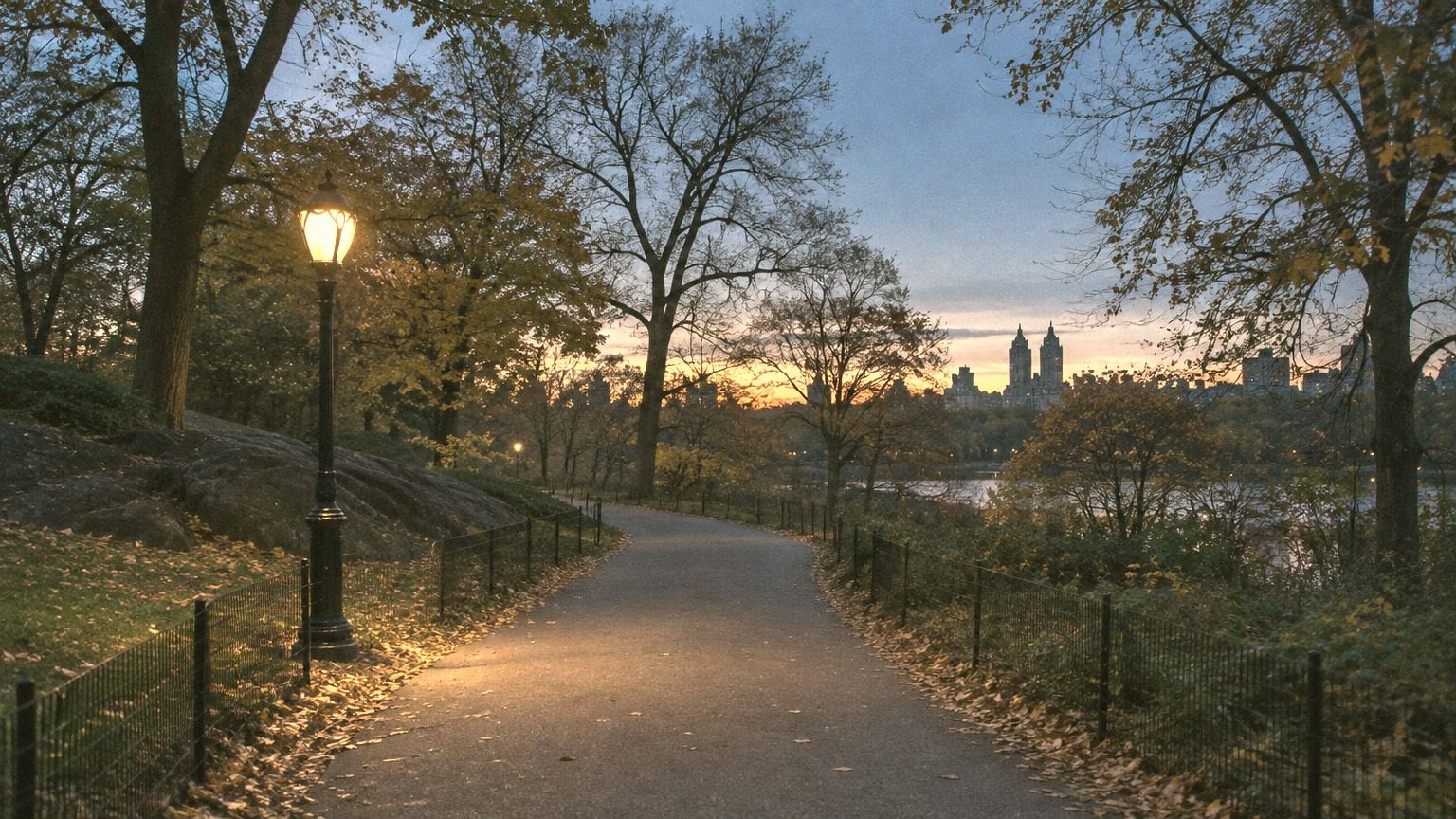
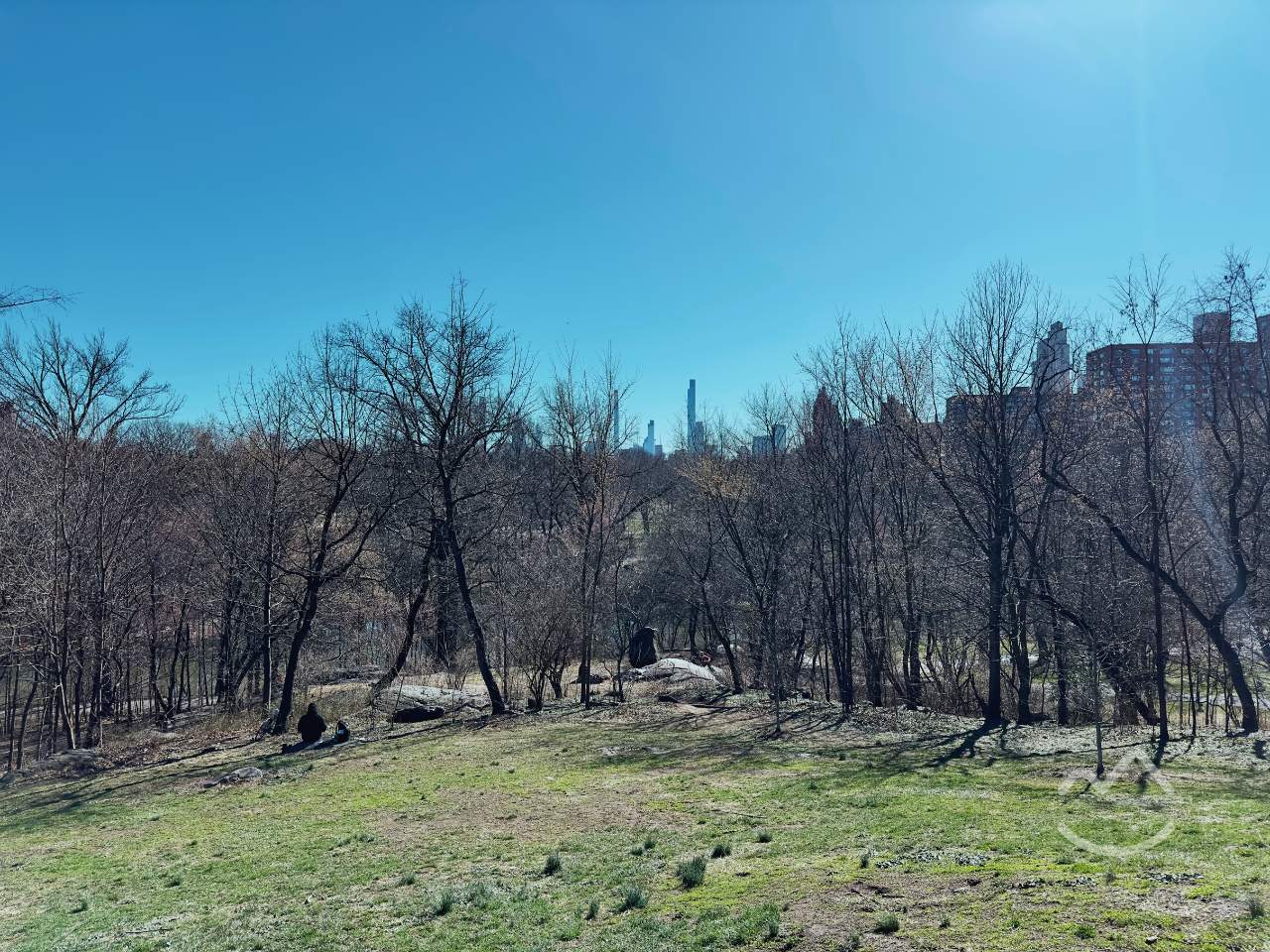
And if you are in New York, Recharge in the North Woods is a 45-minute self-guided Trek through Central Park's North Woods, the part of the park designed to feel like a forest.
On the science: the underlined phrases link straight to the papers, and the full list is below. The summaries and takeaways are our own reading, simplified to be useful rather than complete.
Try a guided walk today
Short guided walks for any street, 5, 10 or 20 minutes. Your first 3 are free.


Field Notes by email
The research on walking and being outside, read for you and kept short. New Treks and what we are building, too.
By subscribing you agree to our Terms and Privacy Policy. Unsubscribe anytime.
Field Notes are the research. Mindtrek is the practice: guided walks and Treks built on the same studies. Free to start on iPhone and Android.
Get the app