A 15-minute walk with one instruction changed how older adults felt for eight weeks. The instruction was to look for things that surprised them.
Of everything in the research on walking and mood, the awe walk is the finding I recommend most, because it costs nothing and asks for one small change in where you point your attention.
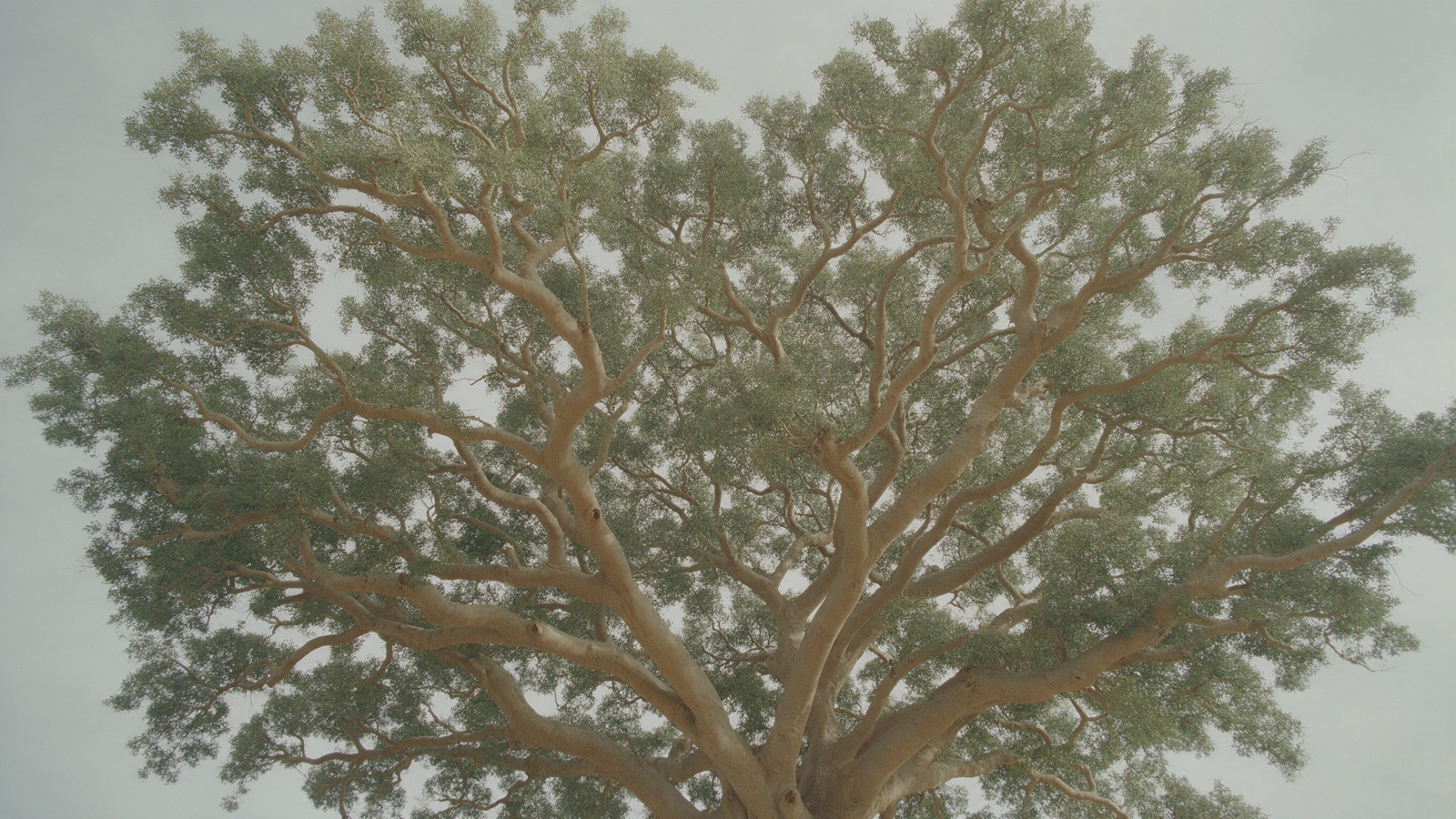
An awe walk is an ordinary walk with one instruction: notice things that are vast, surprising, or bigger than you. A tree that has been there a century. The pattern of a wall. The sky doing something. In the study that named it, this single instruction changed how people felt across two months.
Sturm and colleagues (2022) recruited 52 healthy adults aged 60 to 90 and asked them to take one 15-minute outdoor walk a week for eight weeks. Half were told simply to walk. Half were told to approach the walk with fresh eyes, as a child might, and look for what inspired awe. Both groups took a selfie on each walk and rated their emotions afterwards.
The awe walkers reported growing prosocial positive emotions over the weeks: compassion, gratitude, admiration. They also reported less daily distress. Their selfies changed. Over time they made themselves smaller in the frame and gave more space to the scene, and their smiles grew. The control group showed none of these shifts.
Anderson, Monroy and Keltner (2018) studied military veterans and young people from underserved communities on white-water rafting trips, and then college students in daily life. On the rafting trips, the amount of awe people felt predicted improvements in wellbeing and stress symptoms measured a week later, more than any other emotion they reported. In the student sample, everyday nature experiences that carried awe were the ones linked to better wellbeing.
Lopes, Lima and Silva (2020) tested why contact with nature reduces rumination, the looping, self-focused thinking that feeds anxiety and low mood. In their sample, the reduction ran through awe and improved mood. People who felt more awe during nature contact ruminated less afterwards.
Awe does not require movement. A window with sky in it, a piece of music you find overwhelming, a photograph of a place you have never been, a clear night: each one works with the same instruction. The rafting study found awe in a group of people sitting in a boat.
No, and that is why it is useful. Awe includes a small sense of being humbled or unsettled. The research suggests that small self, as the researchers call it, is what quiets rumination.
Yes. The eight-week study was run in San Francisco. Architecture, bridges, crowds and weather all produced awe for participants.
The first few walks were flat for some participants too. The change in the study built over weeks. Give it three or four before judging.
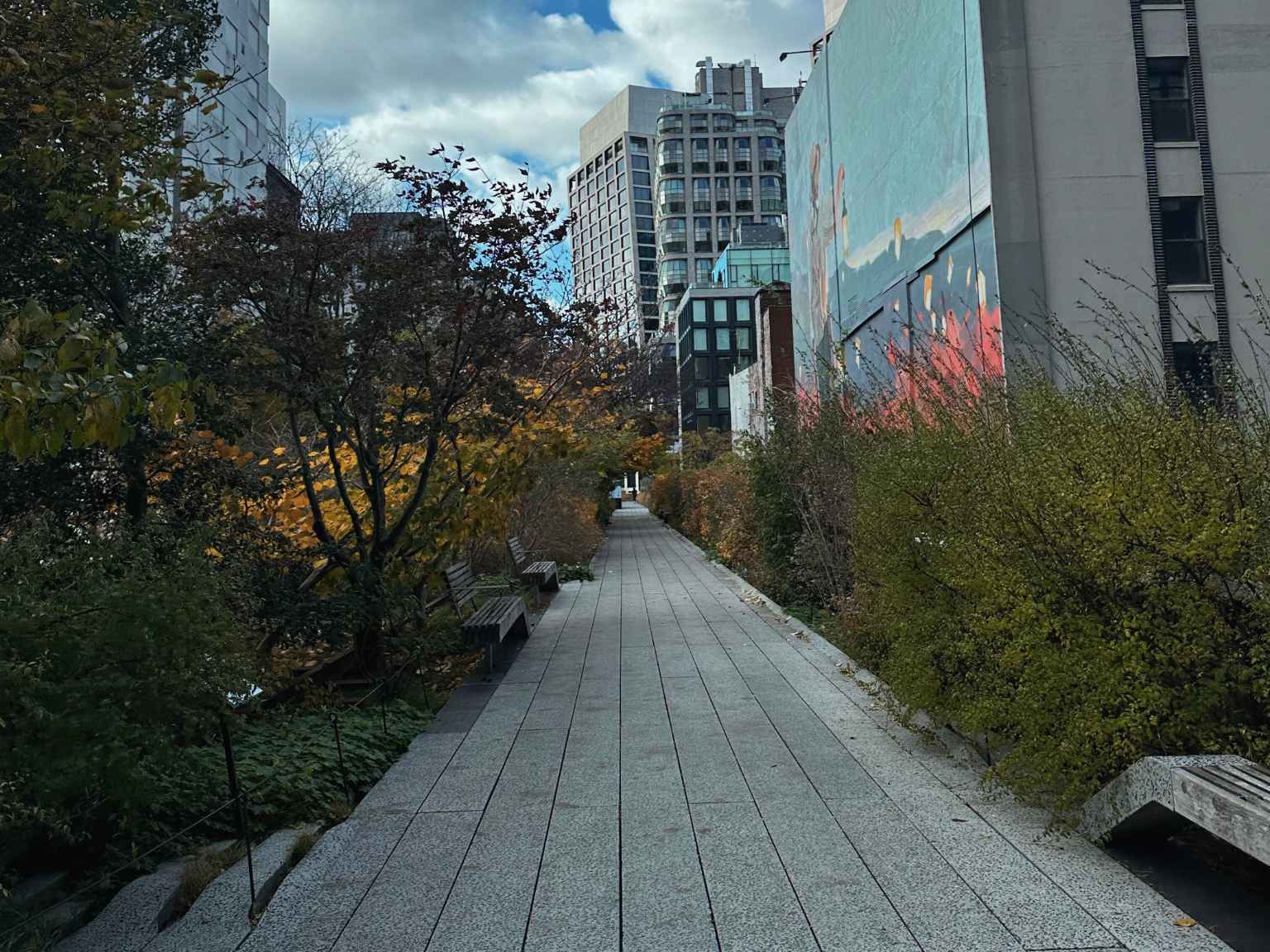
If you would like the instruction delivered in your ear as you go, The Little Glimmers is a 45-minute walk on the High Line built around noticing.
On the science: every study named here is real and linked below. The summaries and takeaways are my own reading of them, simplified to be useful rather than complete. Where a detail matters to you, the paper is one click away.