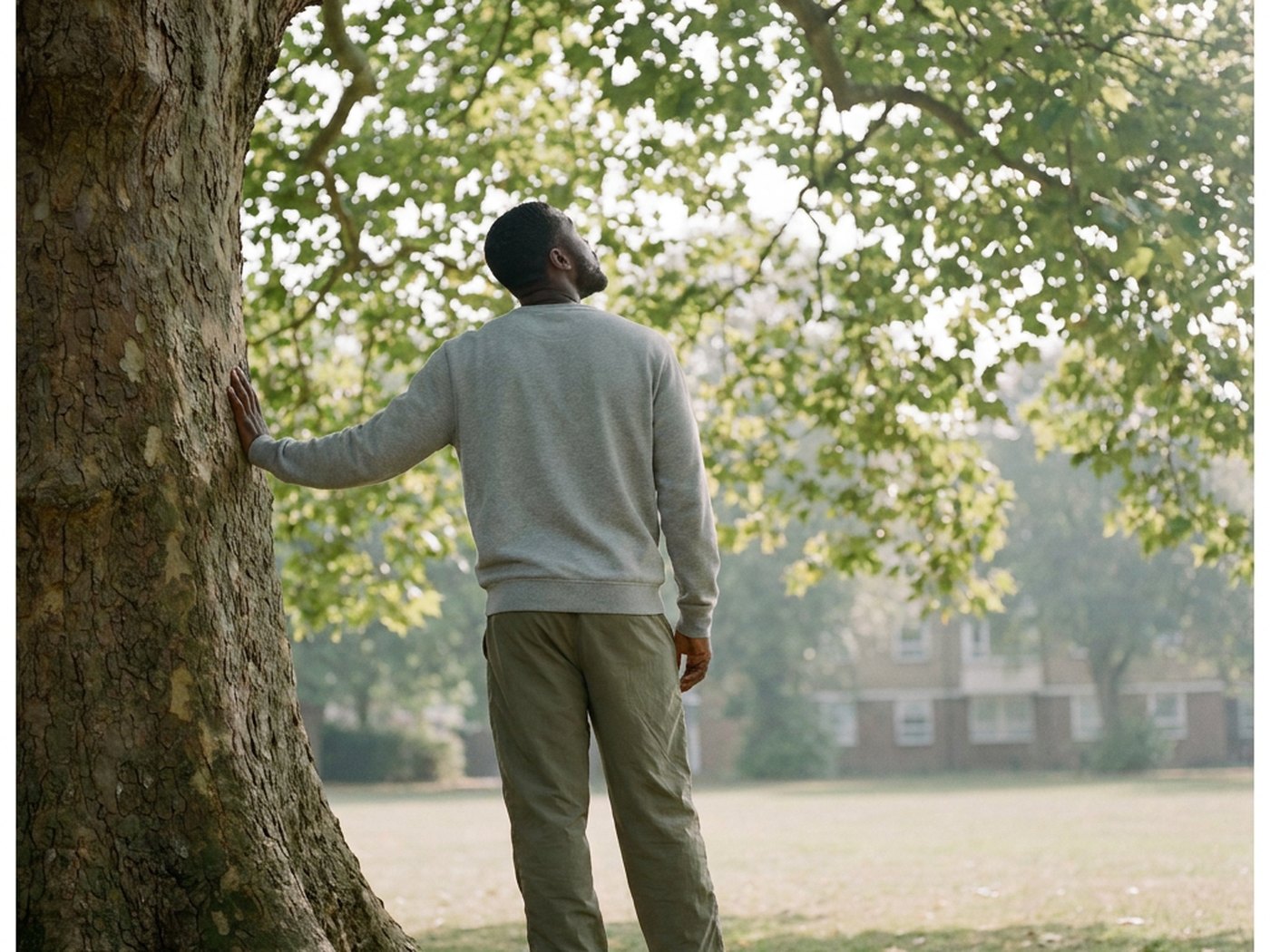

If Saturday goes to the sofa just to get you back to zero, move some of that rest into the week. One Stride on your hardest workday is a good place to start.
Three years ago I started writing a book. I never finished it, but I found the outline last week, and the first line of my notes still holds up: don't wait for the weekend to recharge your batteries.
The picture behind that line was my wife's workday at the time. She worked from our bedroom, from 8 in the morning to 6 at night, in back-to-back meetings, barely moving. By Friday there was nothing left, so the weekend went to the sofa, and Monday started the loop again.
If that sounds like your week, the fix is smaller than a new routine. Take some of the rest you are saving for Saturday and spend it on a Tuesday, as one short walk.
Stress from a hard workday shows up the same day. One day of it mostly fades by the next morning, but day after day without a break, it adds up into something that lasts. Researchers call the catch the recovery paradox: the more stressful the week, the less we do the things that help us recover.
What helps most is switching off. Across studies of more than 38,000 employees, people who mentally left work behind in their free time had less exhaustion, slept better and were more satisfied with life. Answering work messages after hours made switching off harder.
You can get better at it quickly. In one German study, people who took two short recovery sessions switched off more, slept better and felt less stressed three weeks later.
And a weekday walk is a tested way to do it. Office workers in Finland who took a 15-minute park walk at lunch felt more restored and less tired through the afternoon. I wrote that one up in the lunch-break walk that beats a second coffee.
The easiest way I know is a Stride. A Stride is a short walk in the Mindtrek app, 5, 10 or 20 minutes long, with a coach in your ears. It welcomes you and gets you out the door, turns you toward what you came out for, gives you one small thing to try, and then mostly leaves you to the walk. Near the end it asks one question to take back with you.
The walk is the stronger version, because you get the break, the movement and the green at once. On days when it doesn't happen, keep the switch-off for the evening instead. When you finish work, write tomorrow's first task on paper, close the laptop and leave work messages until morning.
After an easy week, it can be. After a hard one, Saturday goes to getting you back to zero. A Stride on Tuesday takes some of that off before it piles up, and the weekend is yours again.
Take the 5-minute Stride. Even 40 seconds of looking at something green steadied attention in a lab test. 15 minutes is the length that was tested as a walk, so build up to the 20-minute Stride when you can.
It makes switching off harder, and switching off is the part linked to better sleep and less exhaustion. If the evening is your recovery time, keep the inbox closed for it.
For a longer midday window, Recharge in the North Woods is a 45-minute loop past waterfalls and meadows at the north end of Central Park.
On the science: every study here is real. The underlined phrases link straight to the papers, and the full list is below. The summaries and takeaways are my own reading, simplified to be useful rather than complete.
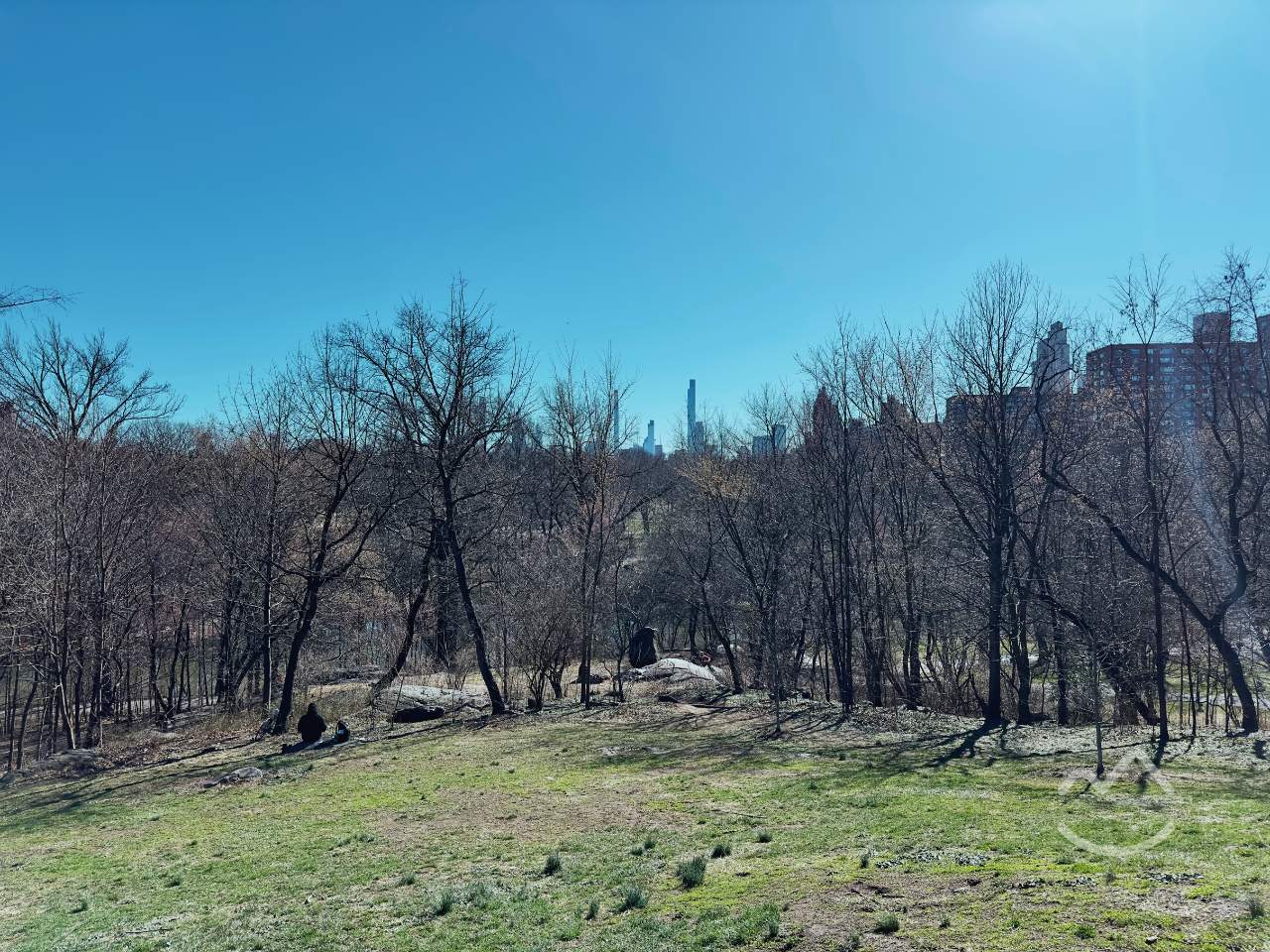
No Trek near you? Take a Stride.
Short audio walks for any street, 5, 10 or 20 minutes. Your first 3 are free.


Field Notes by email
The research on walking and being outside, read for you and kept short. New Treks and what we are building, too.
By subscribing you agree to our Terms and Privacy Policy. Unsubscribe anytime.
Field Notes are the research. Mindtrek is the practice: guided walks and short Strides built on the same studies. Free on iPhone and Android.
Get the app