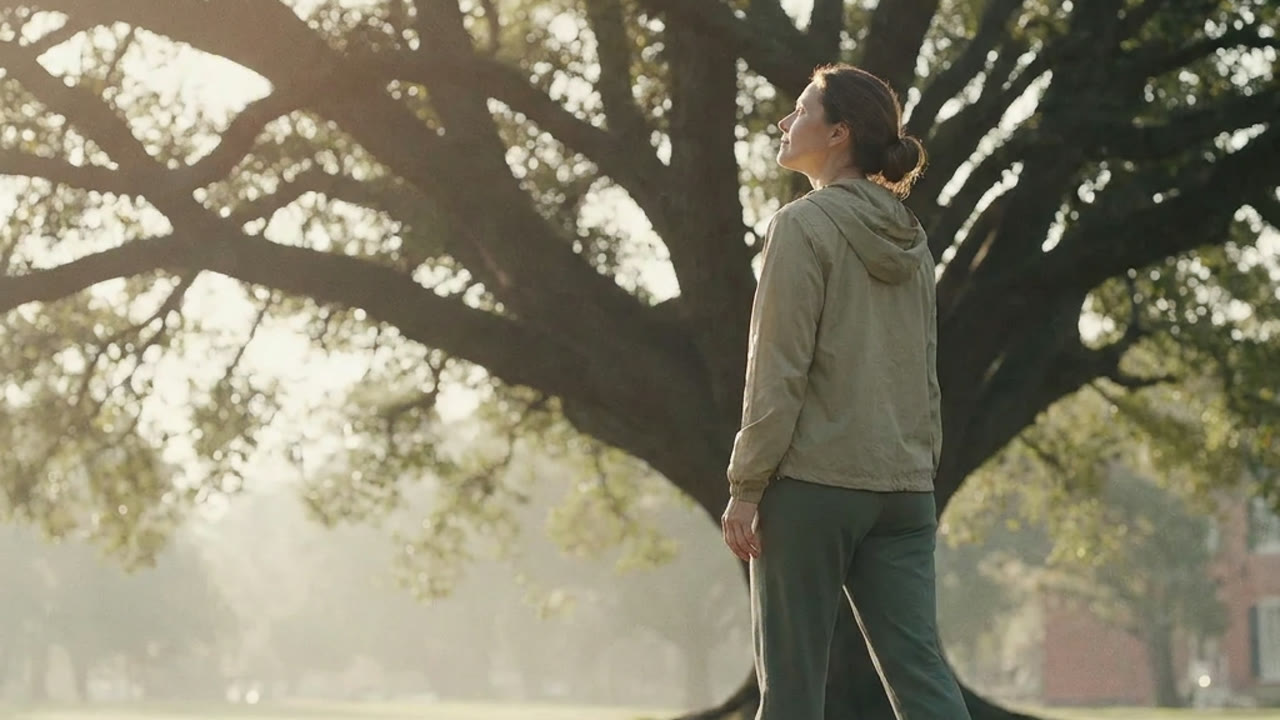

Silent walking gives your head a break. When it's too full to settle on its own, a little guidance helps. What the research says, and how to start with 10 minutes.
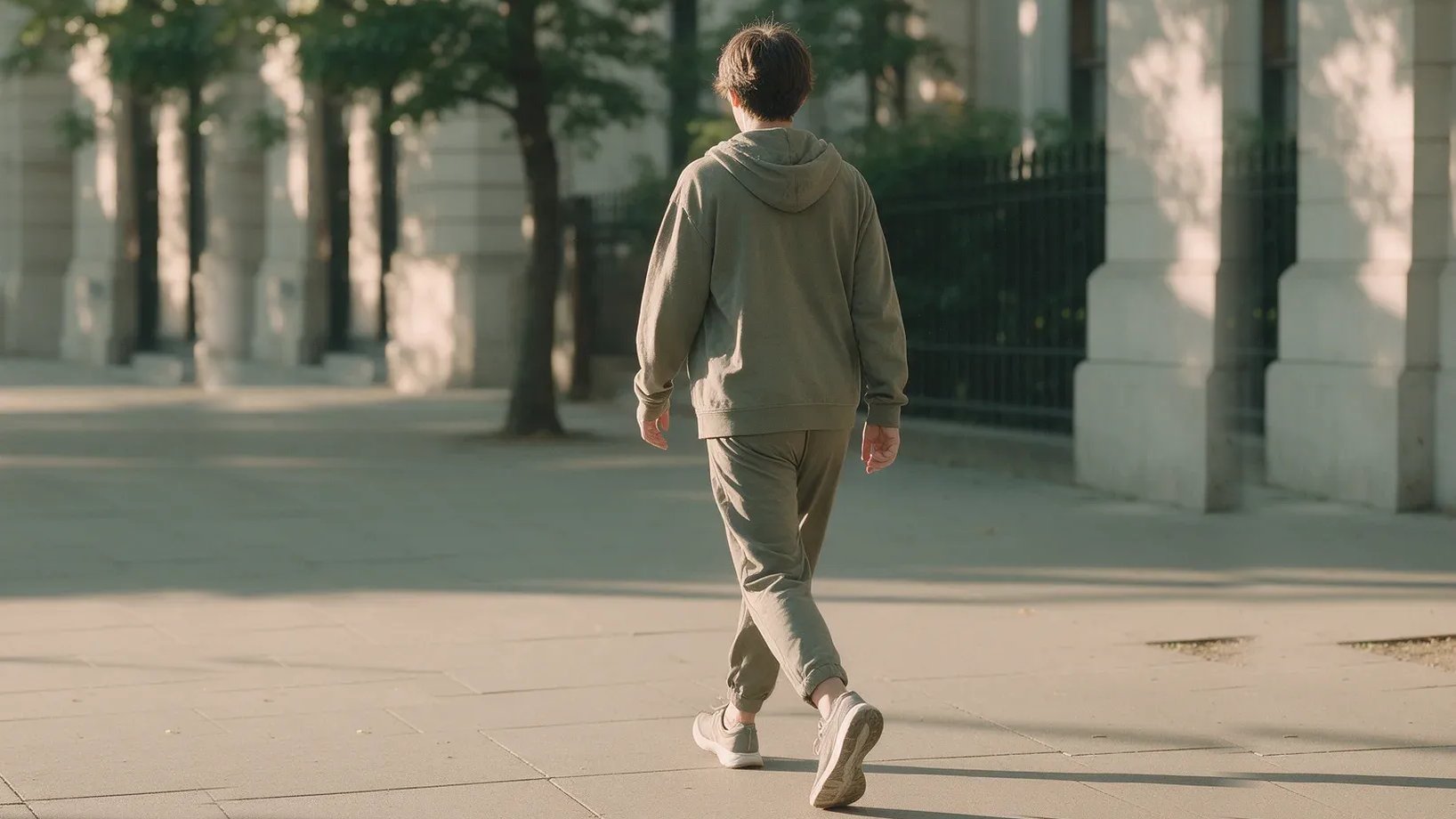
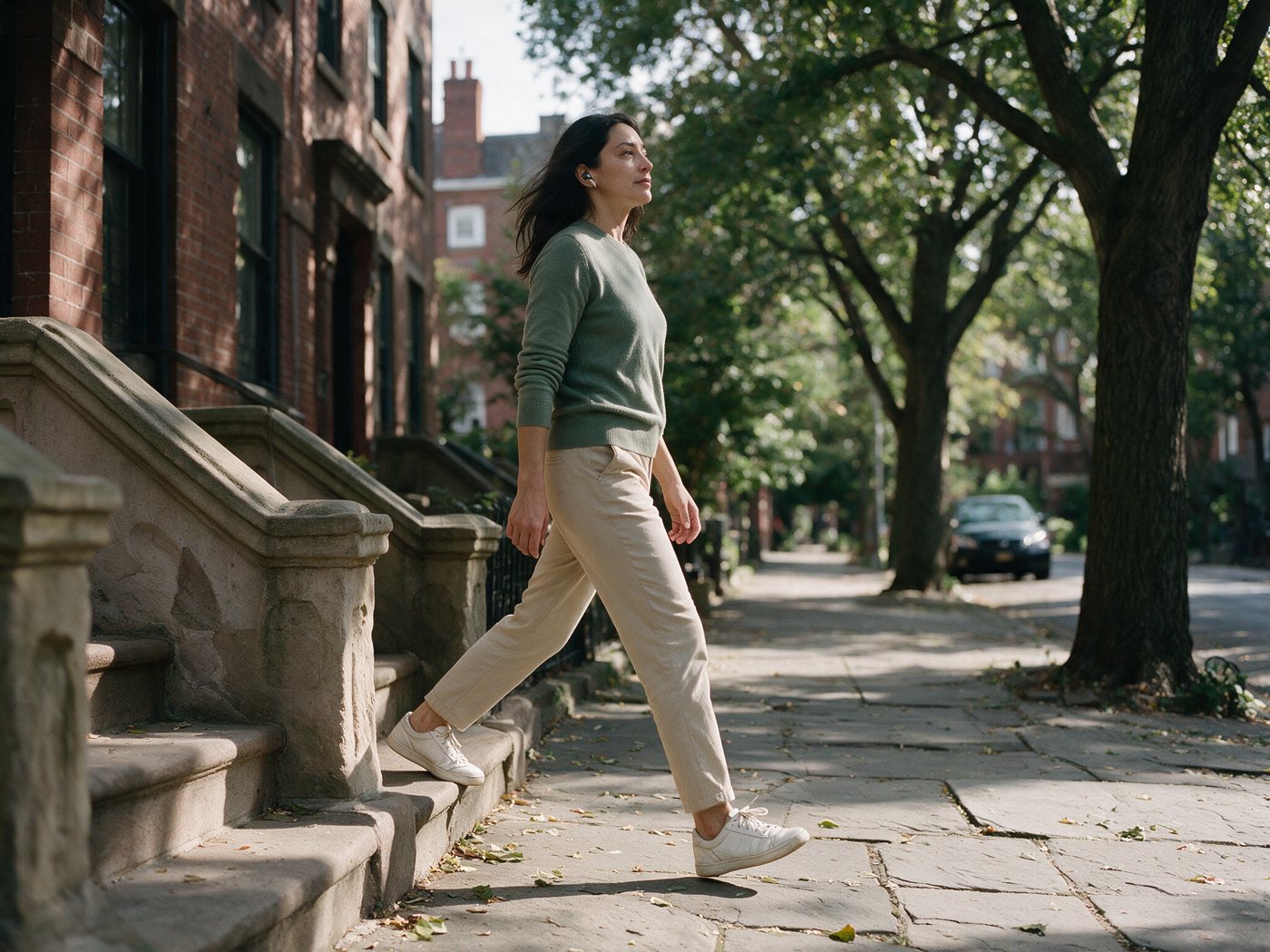
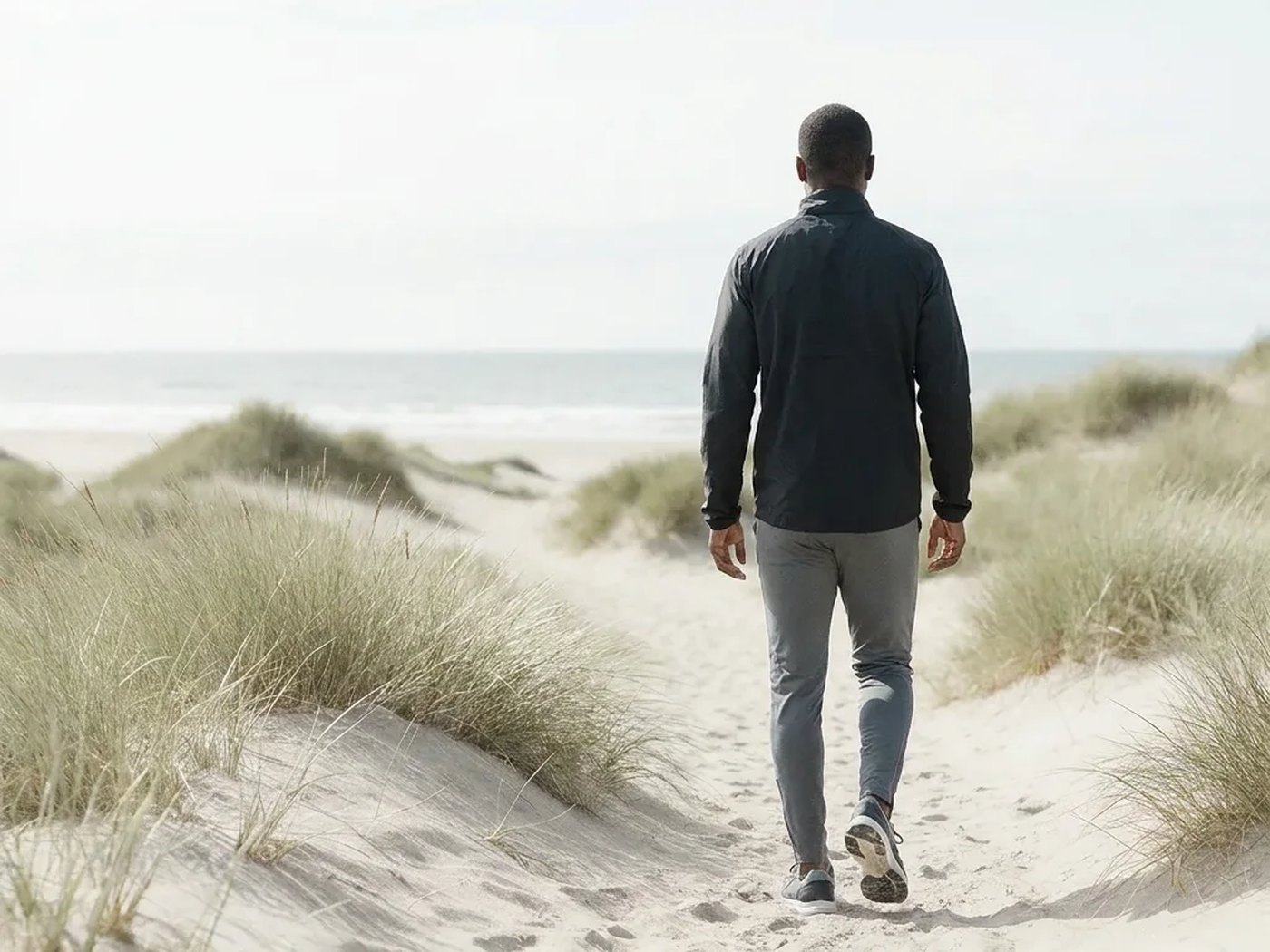
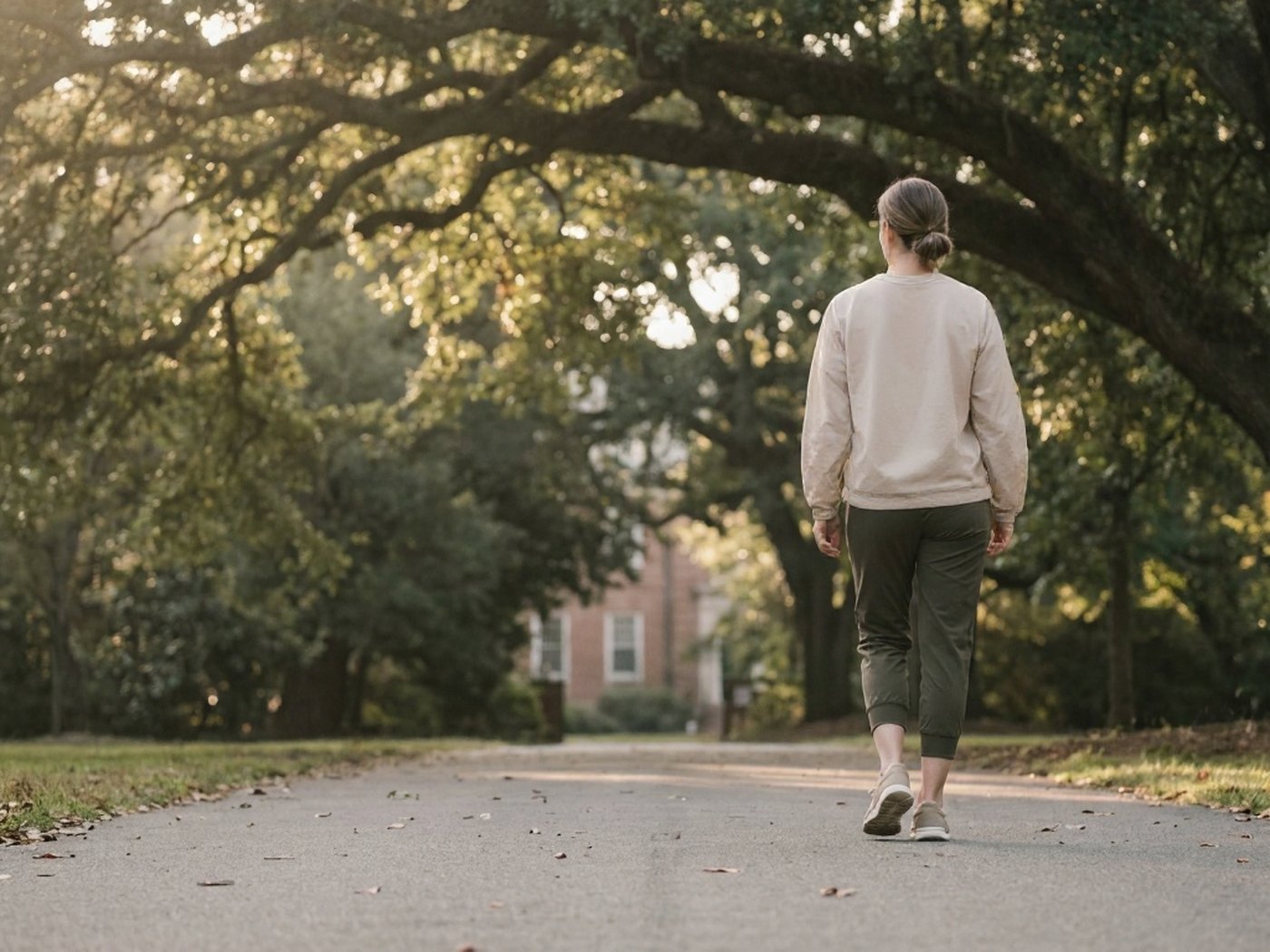
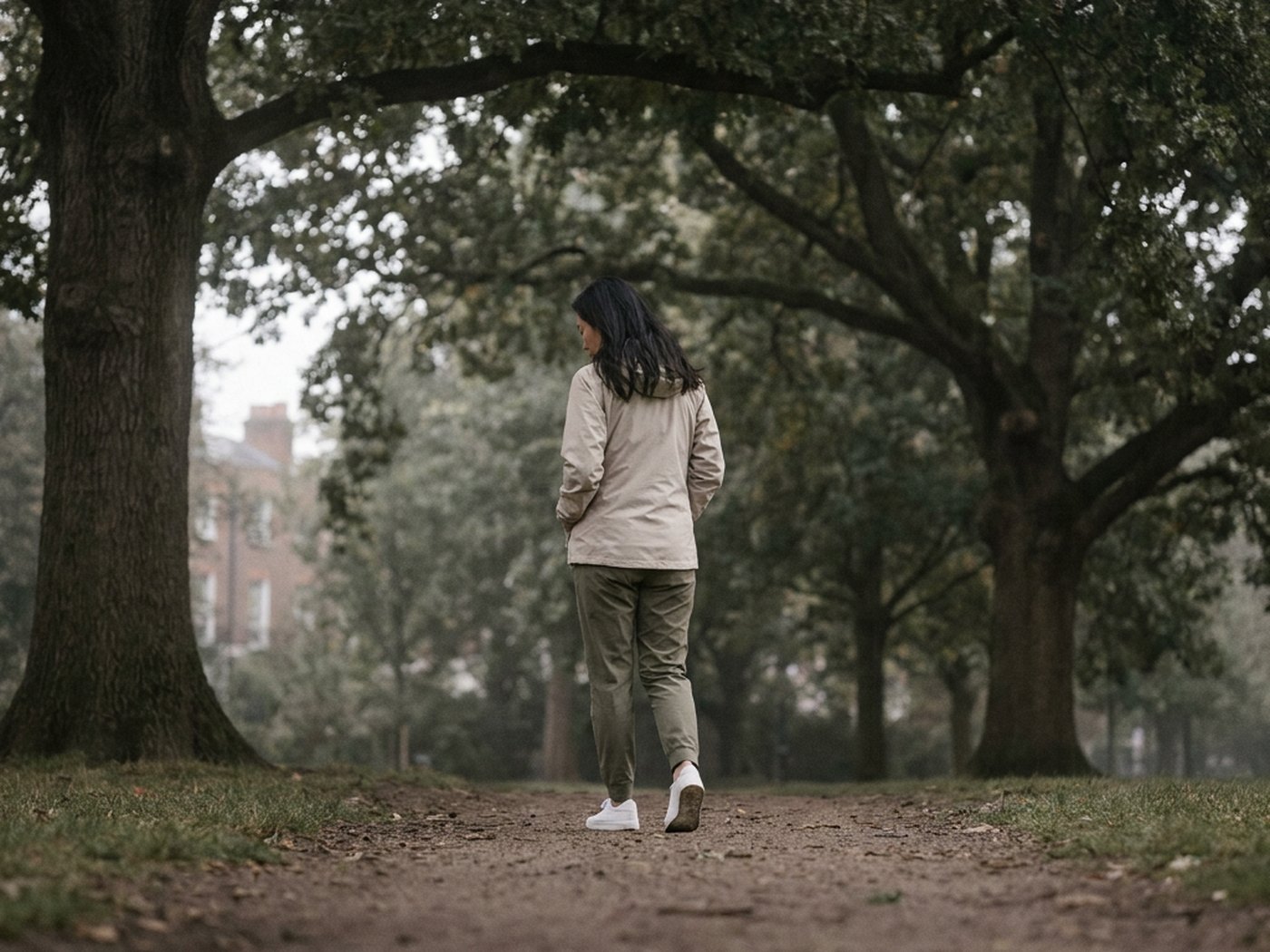
Silent walking is walking with nothing coming in: no music, no podcast, no calls, and no screen in your hand. You walk at your normal pace and let your attention rest on what is around you and on your own thoughts. It took off as a trend in 2023, and the idea underneath is much older: give your head a stretch of time with nothing new arriving.
I like it for the same reason I built Mindtrek. Most of us no longer have a quiet stretch anywhere in the day. But quiet can be hard to reach. On the days your head is loudest, silence can leave you alone with the same loop. That's why every walk in Mindtrek mixes the two: a little guidance, then room to be quiet.
No study has tested silent walking under that name. The research does test its parts: time outside, natural sound, and leaving your attention alone. Most of it points the same way.
Fewer instructions can restore more. In a 2022 study, 215 people spent 20 minutes outside with different instructions or none at all. The group with no instructions came back with the most attention restored. The researchers think every exercise used up some of the attention the time outside was meant to rest. Mood and connection to nature came out the same across all the groups.
A little guidance can help too. In a University of Michigan study, 117 adults joined a two-week outdoor walking program. One group simply walked. The other got short prompts, like noticing things they had never noticed. The prompt group reported larger gains in attention and less frustration.
Quiet itself calms the body. In a study at the University of Pavia, 24 people listened to music with a two-minute silent pause slipped in. During the silence, their heart rate and blood pressure dropped below where they had started. It is one small study, and a striking one.
Natural sound helps when you can hear it. A large review of the research found that hearing natural sounds like birdsong and water was linked to less stress and better mood. Birds did most for stress, water most for health overall. On a silent walk, those are the sounds you start to notice.
Your phone takes a share even when it is silent. In a study of nearly 800 people, a phone lying face down on the desk lowered scores on attention tests, compared with a phone left in another room. Silent walking works best with the phone out of sight.
And music is a trade-off. On an outdoor walk, music made people enjoy the walk more than a podcast or silence, and it also drew their thoughts away from the walk. Some days that is what you want. On the days your head is full, you may need something in between: a few words to settle you, then quiet.
So the takeaway is simple: quiet is worth protecting, and you don't have to reach it alone. A few well-placed words can get you there, then leave you to it.
Silence is part of every walk in the app, in three ways.
Walking without music, podcasts, calls or a screen, at your normal pace, letting your attention rest on what is around you. It became a trend in 2023, and it is one of the simplest forms of walking meditation.
Close. Walking meditation usually gives you one thing to focus on, like your steps or the sounds around you. Silent walking drops even that and lets your attention wander. Both work. Some days you need an anchor, some days you need space.
Start with 10 minutes. The instructions study used 20 minutes outside, and the research on time in nature points to 20 to 30 minutes for the clearest drop in stress hormones. Ten minutes you will actually do beats thirty you skip.
That happens, mostly in the first few minutes. Give the walk one small job, like finding the farthest thing you can see, then let it go once your head settles. Or start with a guided walk: a voice for the first half, and quiet once you are ready for it.
To try it today, open the Mindtrek app and start a guided walk. A voice settles you in, then leaves you long silent stretches for the rest of the walk. Your first three are free. On days you want quiet from the first step, there's a silent option too, free and unlimited.
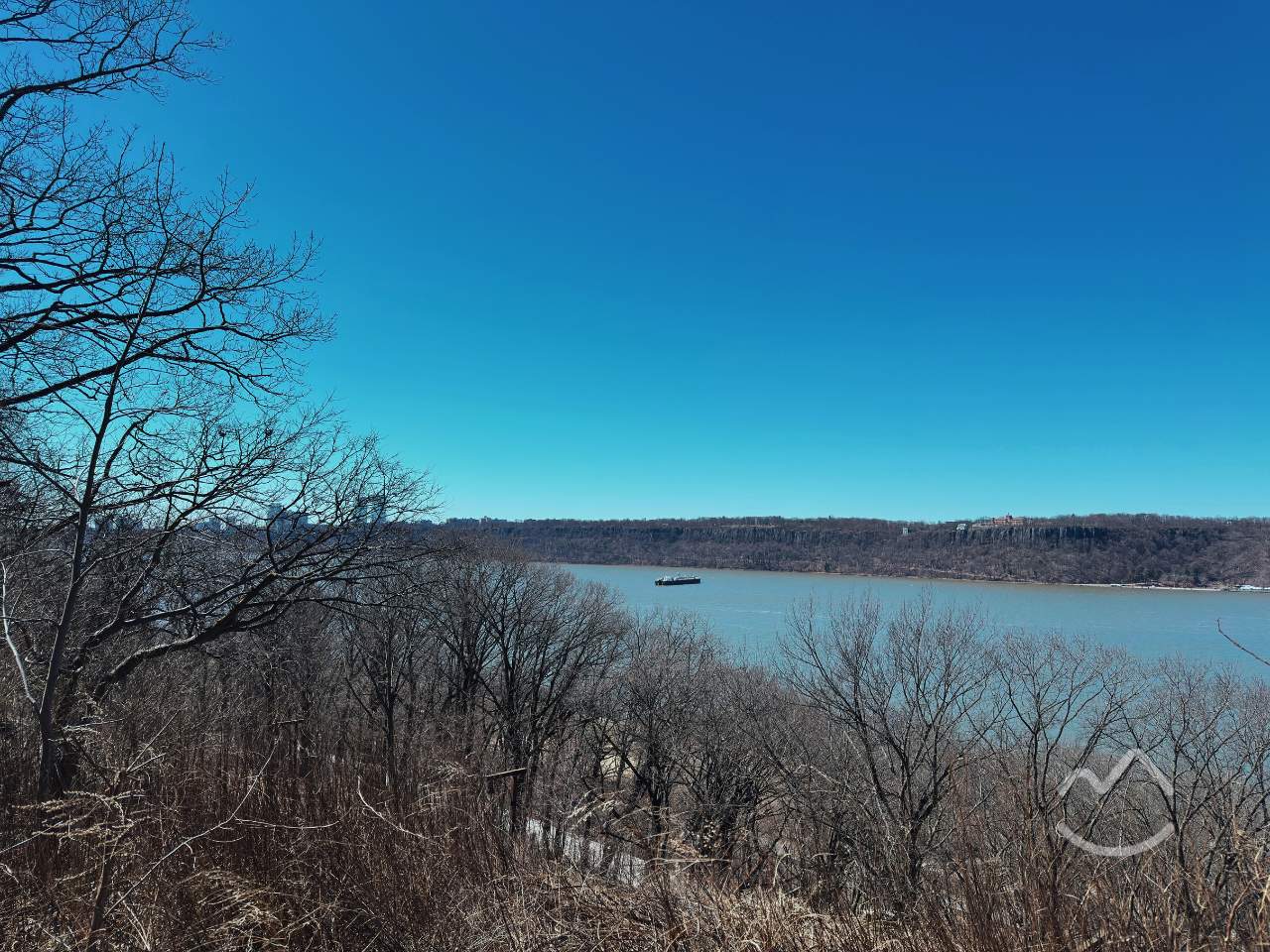
And if you are in New York, Manhattan's Last Forest is a 70-minute Trek through Inwood Hill Park with long quiet stretches between its stops.
On the science: every study here is real. The underlined phrases link straight to the papers, and the full list is below. The summaries and takeaways are my own reading, simplified to be useful rather than complete.
Try a guided walk today
Short guided walks for any street, 5, 10 or 20 minutes. Your first 3 are free.


Field Notes by email
The research on walking and being outside, read for you and kept short. New Treks and what we are building, too.
By subscribing you agree to our Terms and Privacy Policy. Unsubscribe anytime.
Field Notes are the research. Mindtrek is the practice: guided walks and Treks built on the same studies. Free to start on iPhone and Android.
Get the app