Two randomized trials gave office workers a 15-minute park walk at lunch. Afternoon concentration went up and strain went down. The design is easy to copy.
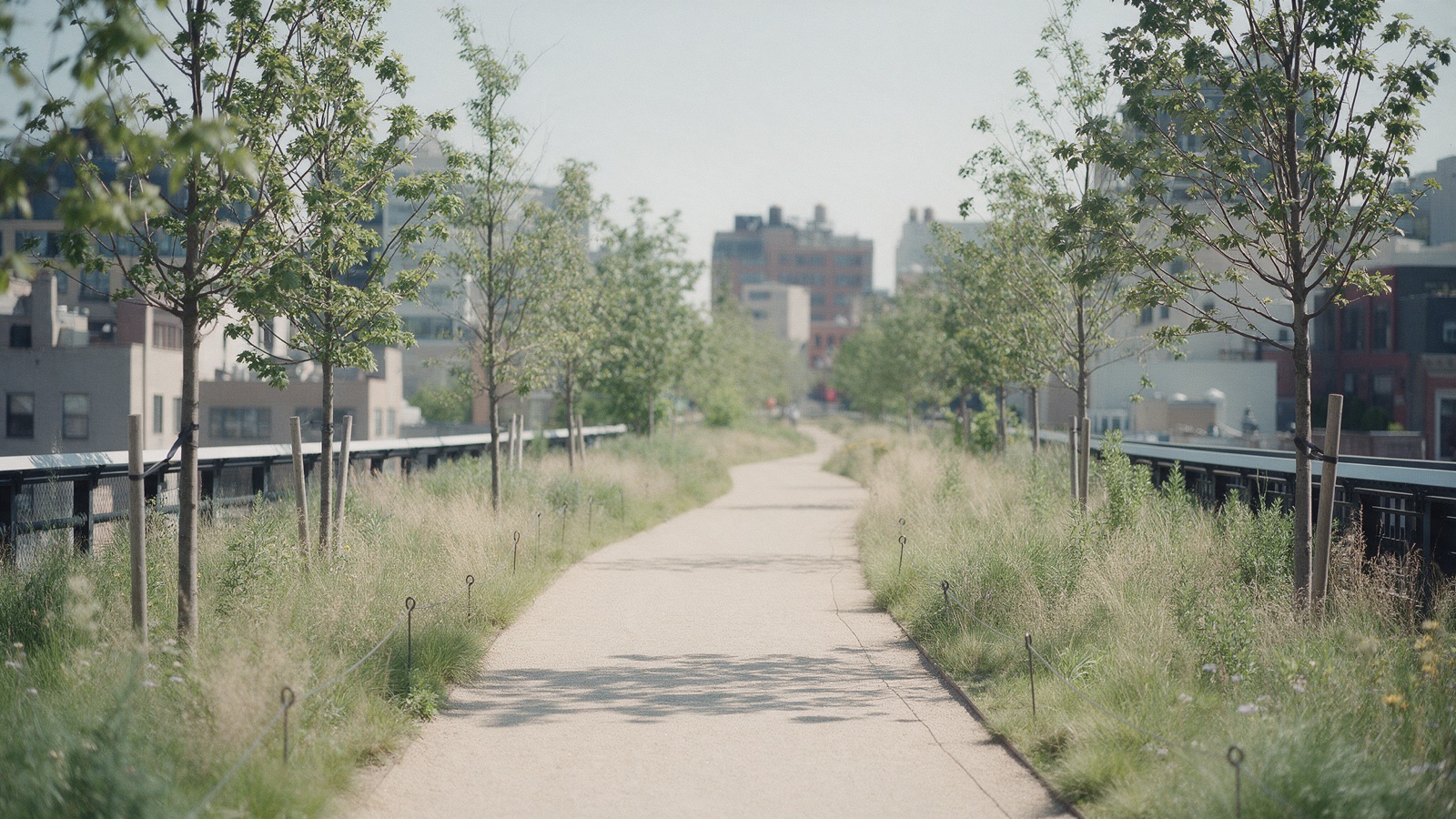
The afternoon slump is real and most of us treat it with caffeine. Two Finnish research teams tried something else: they sent office workers into a park for 15 minutes at lunch and measured what happened to the rest of the day.
De Bloom and colleagues (2017) ran two randomized controlled trials with knowledge workers. Participants were assigned to a 15-minute park walk, a 15-minute relaxation exercise, or their usual lunch, every workday for two weeks. Both the walk and the relaxation improved concentration in the afternoon and reduced fatigue and strain compared with the control group. The walkers rated their lunch break as more enjoyable. The effects were strongest during the intervention weeks and faded afterwards, which is the honest finding: the benefit comes from doing it, not from having done it once.
Sianoja and colleagues (2018) followed 83 employees across ten workdays with the same two interventions and looked at the mechanism. For the park walkers, the improvement in afternoon wellbeing ran mainly through enjoyment. For the relaxers, it ran through psychological detachment, the sense of having left work for a moment. Both are recovery experiences, and both worked.
Lee and colleagues (2015) gave 150 students a demanding attention task, then a 40-second break looking at either a flowering green roof or a bare concrete roof, then more of the task. The green-roof group made fewer errors and held their attention more steadily in the second block. Forty seconds. The authors called it a micro-break, and it is the smallest documented dose I know of.
Bennett, Gabriel and Calderwood (2020) studied how the length and content of short breaks interact. Breaks that involved genuinely stepping away from the task restored energy; breaks that stayed at the desk did much less, regardless of length. A change of place did more than a change of activity.
Brown and colleagues (2014) ran Walks4Work, an eight-week trial in which 94 office workers took two lunchtime walks a week on either a green route or a built route. Both groups increased their physical activity. The nature group showed improvements in resting autonomic function, the balance of the nervous system that governs recovery, that the built group did not.
The 40-second study is your protocol. Between tasks, look out of a window at something green for 40 seconds. If there is no green, a plant on the desk was not tested, but a view of the sky comes closest. The other option is the relaxation arm of the Finnish trials: 15 minutes of guided breathing or muscle relaxation did nearly as well as the walk.
Barton and Pretty's pooled data found the biggest per-minute gain in the first five minutes of green exercise. Five is not nothing. Fifteen is the number with trial evidence.
It gives you the setting without the detachment or the movement. Better than the desk. Not the same as the walk.
The trials were solo. Walking with someone can raise enjoyment and lower detachment, depending on what you talk about. If you go together, agree not to talk about work.
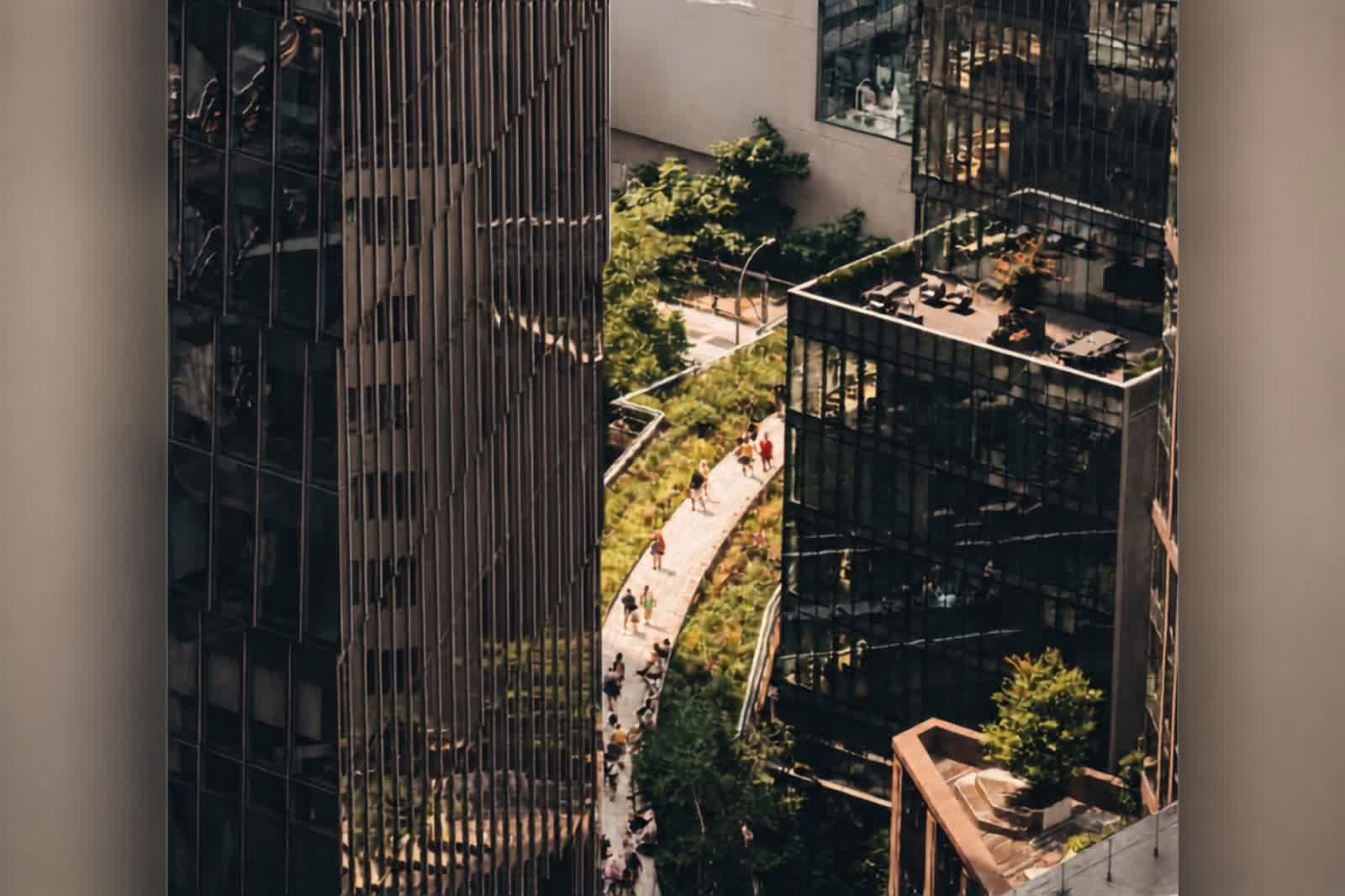
The High Line Morning Reset is built for a Manhattan workday: 50 minutes, but it can be stepped off at any point.
On the science: every study named here is real and linked below. The summaries and takeaways are my own reading of them, simplified to be useful rather than complete. Where a detail matters to you, the paper is one click away.