Bare trees, short days and cold seem like reasons to stay in. The research says the benefits hold, and one of them, morning light, matters more in winter than in summer.
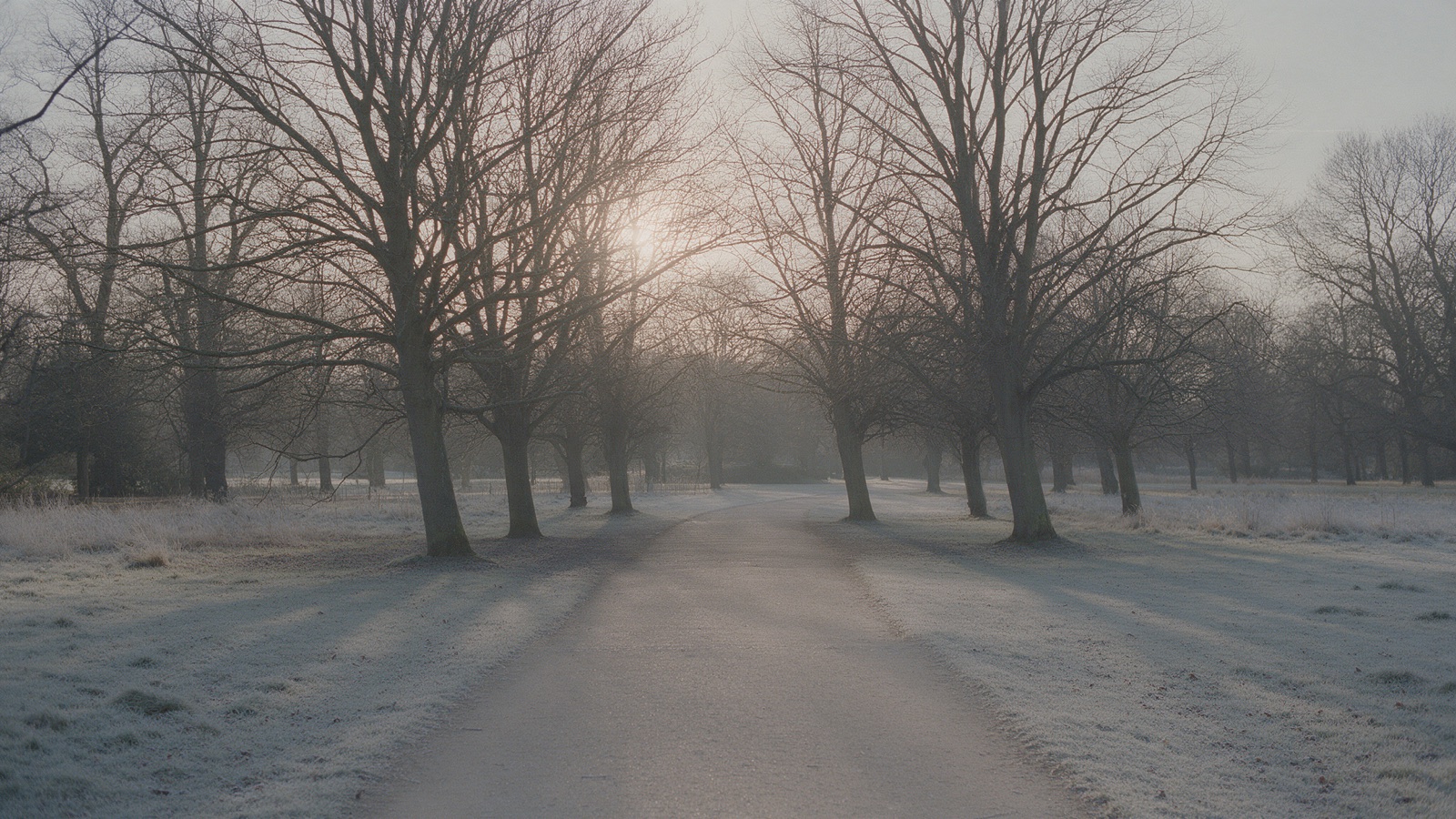
Every year around November I get the same question: does any of this still count when the trees are bare and it is dark by five? I used to answer from experience. Now I can answer from the studies.
Bielinis and colleagues (2018) took 62 young adults in Poland to a forest in winter, leafless and snow-covered, and to an urban setting, for 15 minutes each. The winter forest improved mood, restoration and subjective vitality compared with the city. The authors ran the study specifically because almost all forest research had been done in leaf. The effect held without leaves.
White and colleagues (2019), the 120-minutes-a-week study, drew on a survey that ran across all seasons. The relationship between nature time and wellbeing held in the full-year data. Visits in winter were fewer and shorter, which is a reason to plan them, not a reason to skip them.
Thompson Coon and colleagues (2011) reviewed eleven trials comparing the same physical activity done outdoors and indoors. Outdoors produced greater feelings of revitalization and energy, and less tension, confusion and anger. The review noted that most trials were short and none looked at long-term adherence. But for a given walk, the outdoor version came out ahead across seasons.
Stothard and colleagues (2017) sent people camping with no electric light, in summer and in winter. Living on natural light shifted their internal clocks earlier and undid the drift that builds up over a weekend indoors. The winter version, with far less daylight, still worked. Emens (2017), commenting on that study, put it plainly: the price of electric light is a late internal clock, and daylight in the morning is the correction. Indoor light in a bright office is a fraction of the light outdoors on an overcast winter morning.
Morning light does not require movement. A chair by an east-facing window with the blinds open, or ten minutes on a doorstep with coffee, delivers most of it. The camping study was about light exposure, not exercise.
No study I know of tested rain directly. The winter study included snow. Rain changes comfort, and comfort affects how long you stay, which affects the dose. It does not change the mechanism.
For most healthy adults, no. The winter forest study used ordinary winter clothing. If you have a heart or lung condition, cold air is a real load, and your doctor's advice comes first.
Lamps help and are well studied for seasonal low mood. Outdoor light on an overcast day is still brighter than most lamps and comes with the rest of what these articles describe.
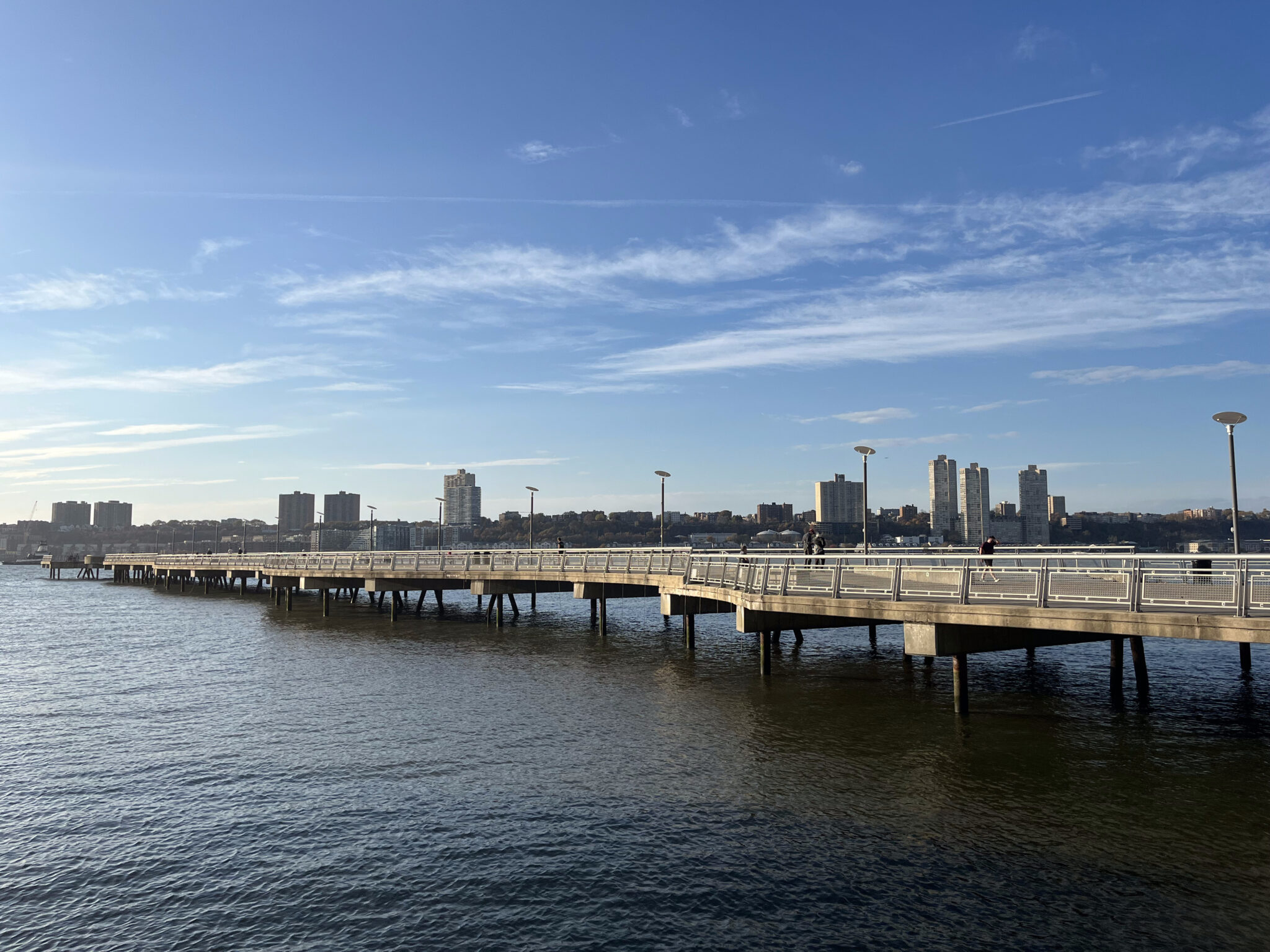
Connect at the Hudson's Pace is a 45-minute walk in Riverside Park with the river on one side and open sky on the other, which is exactly what a winter morning needs.
On the science: every study named here is real and linked below. The summaries and takeaways are my own reading of them, simplified to be useful rather than complete. Where a detail matters to you, the paper is one click away.