
Most people who start a meditation app stop, and that is the usual outcome, not a sign you are bad at it. What may help you stick with it, and why a walk is an easy way back in.
You download a meditation app, keep a streak going for a week or two, and then it slips. If that sounds familiar, you have plenty of company. Most people who start a meditation app stop, so stopping is the usual outcome, not a sign that you are bad at it. Sitting still with your own thoughts is hard, and the research points to a few simple changes that may make practice easier to keep. A walk brings them together.
No single trick works for everyone, but three things are worth trying first.
Start smaller than you plan. In a 2026 study of 655 new users of the free app Medito, people planned to meditate about seven hours in their first month and averaged about 70 minutes. Healthcare staff in an interview study named shorter practices as one of the main things that kept them going.
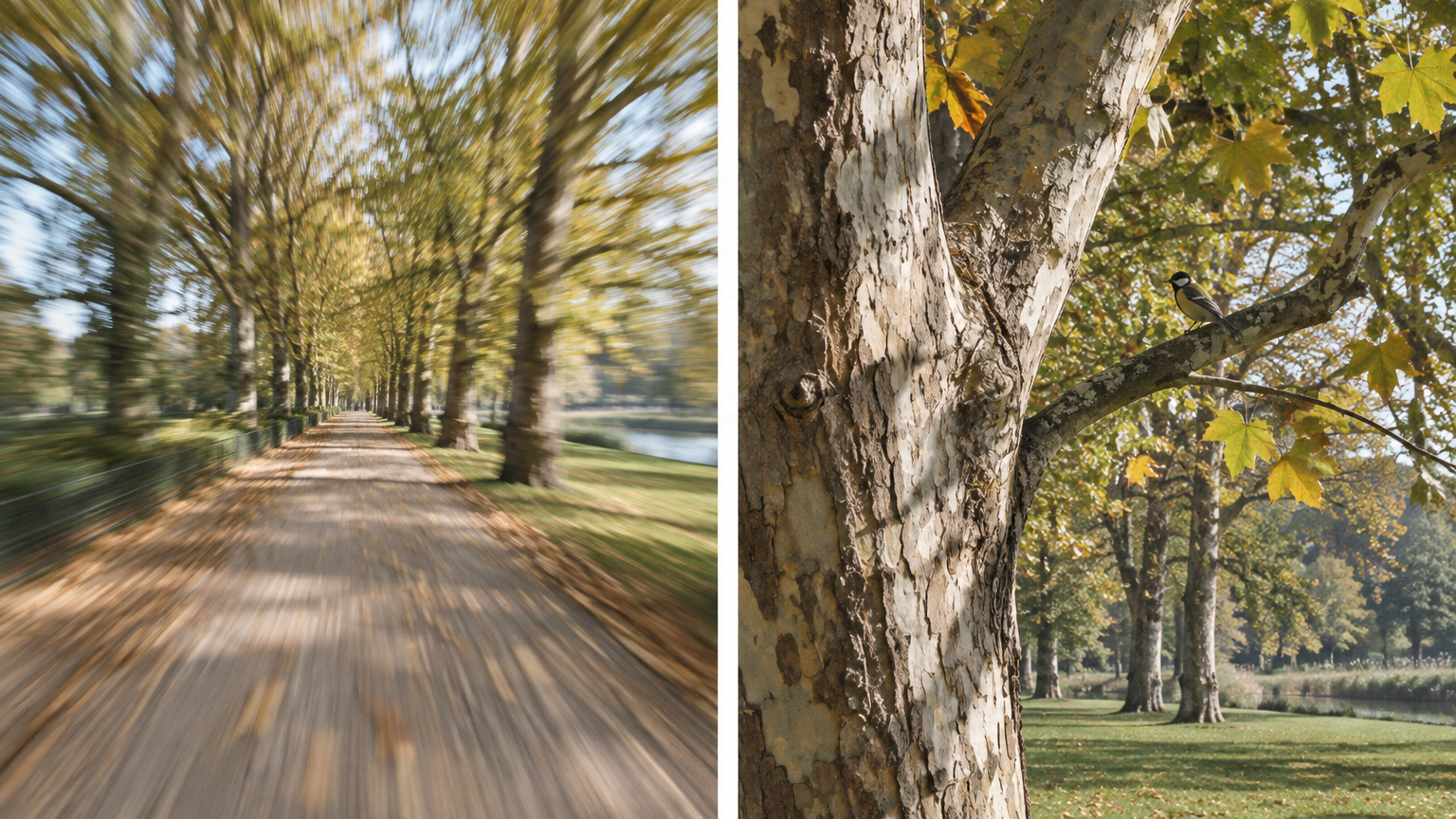
Let the world do the focusing. Many beginner practices ask you to hold your attention on one anchor, like the breath, and that takes effort. In a Swedish study, beginners learned either conventional mindfulness or an easier, open kind of noticing in a botanical garden, mostly inside its tropical greenhouse. Attention tests suggested the conventional practice took more and more effort as the weeks went on, and the garden version did not. Six months later, among those who finished and answered a follow-up survey, 92% of the garden group still practiced at least now and then, against 67% of the conventional group, though about a third of each group kept a weekly habit. A walk outside offers the same kind of easy things to notice: a sound, the light, your next step.
Tie it to something you already do. In a study of Calm subscribers, people who meditated right after an existing daily routine were less likely to stop than people who relied on reminders. In a 2026 trial with 686 adults under mild to moderate strain, though, a three-week program built into daily routines did not get people practicing more than a standard mindfulness app. So it may help some people, and hooking it onto a walk you already take is an easy way to try.
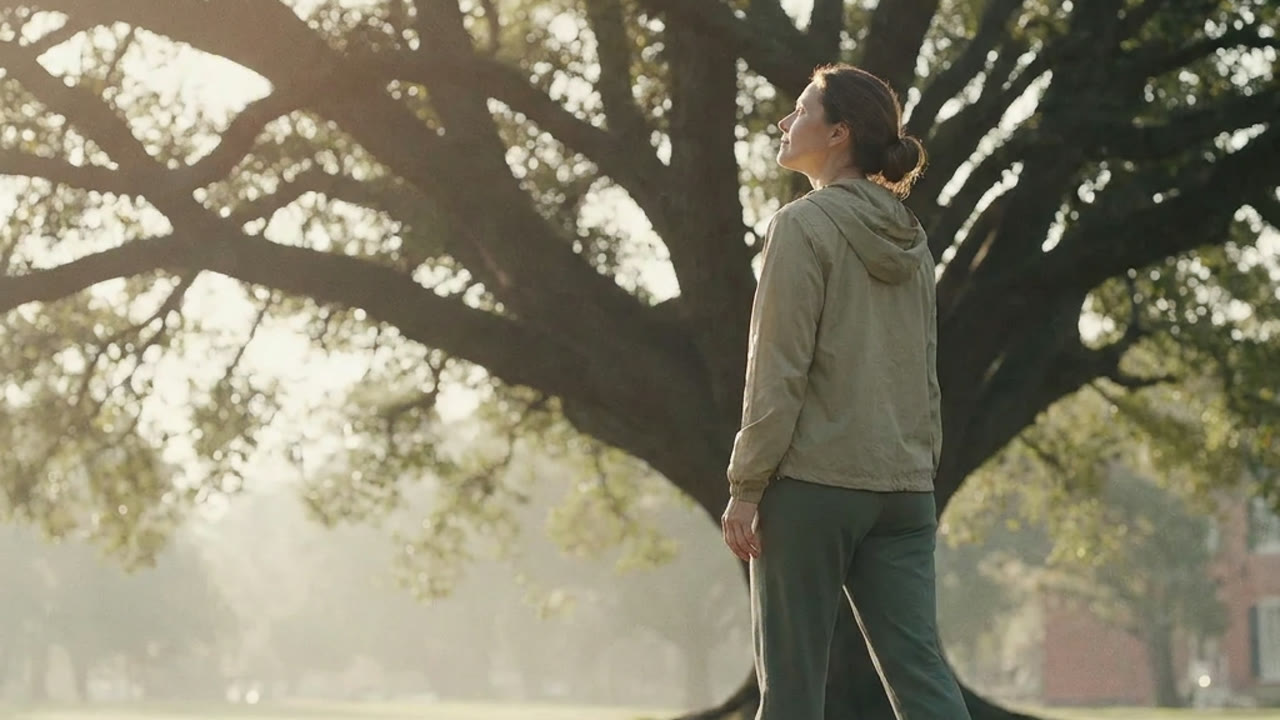
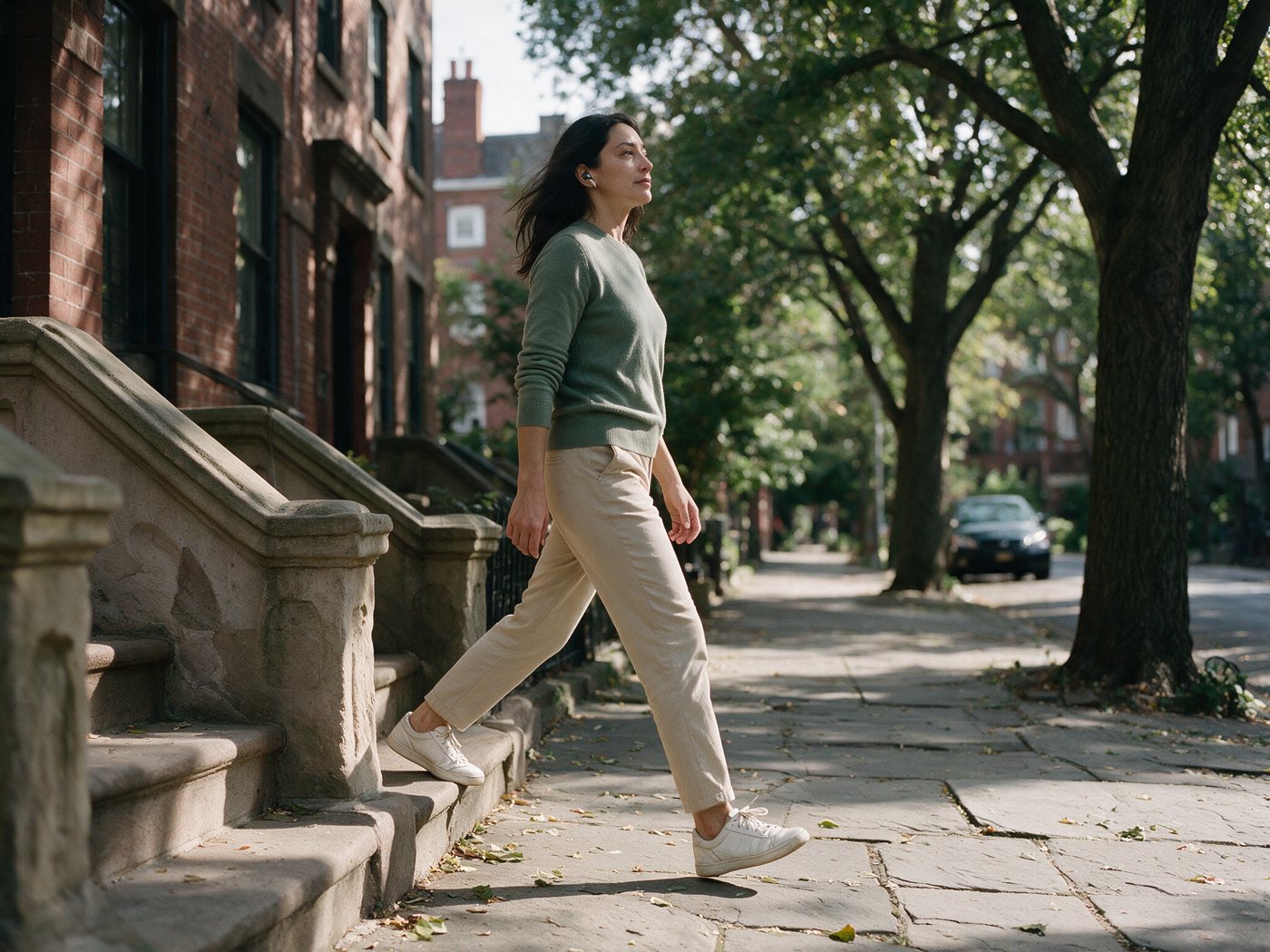
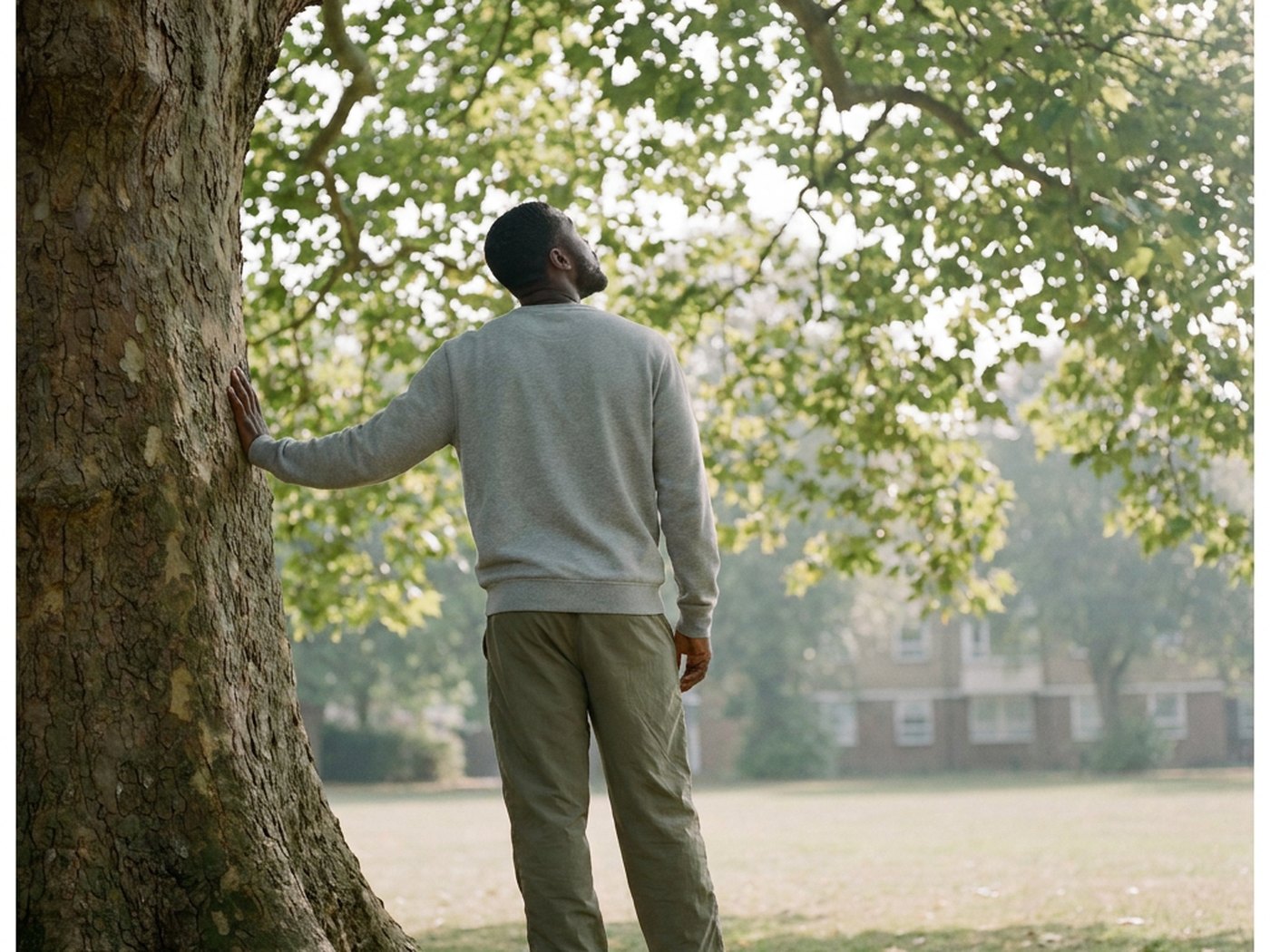
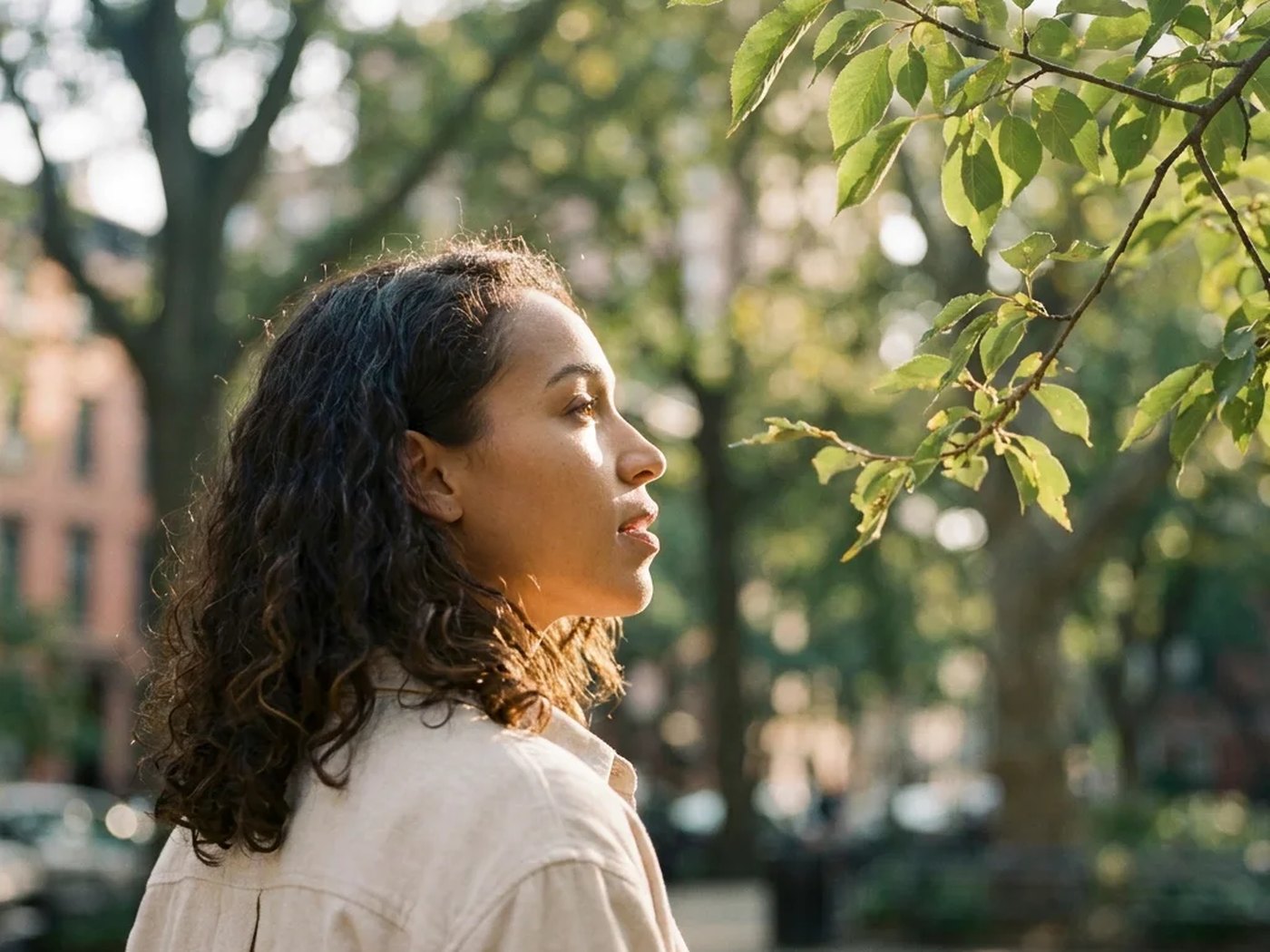
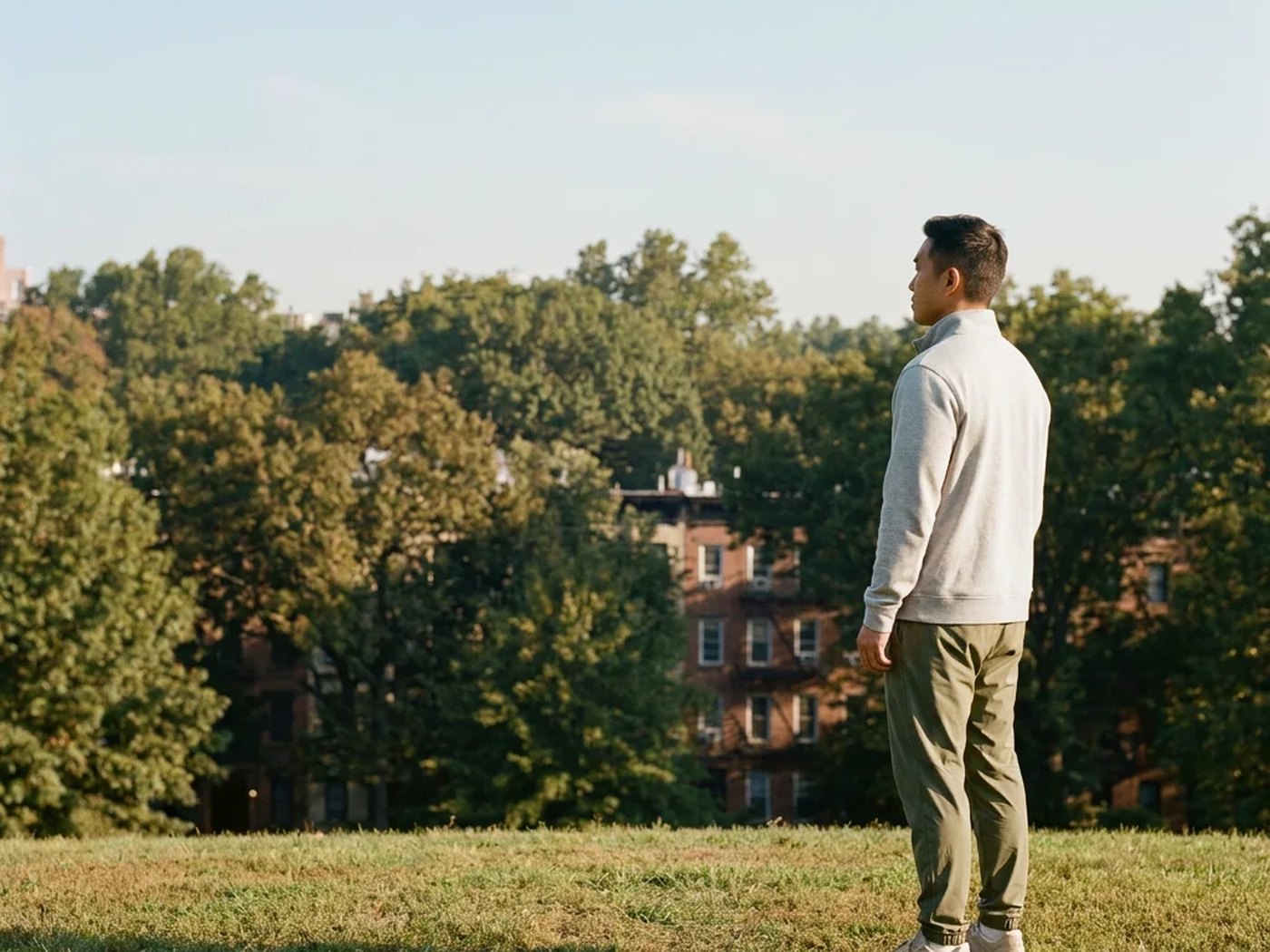
A short walk puts all three together: it is small, it happens outside, and it fits into a walk you already take. Walking meditation is an old practice, and many Buddhist monasteries alternate it with sitting. You feel your steps, notice what is around you, and come back each time your mind drifts. It can suit people who find it hard to sit still.
First, you are in the majority. In a study of Calm's usage data, 58% of new annual subscribers had stopped using the app within a year. In the Medito study above, fewer than 1 in 5 were still using it after 14 days. So if you stopped, you did what most people do.
Second, being alone with your thoughts is harder than it sounds. In a well-known set of experiments, people sat alone in a room with nothing to do but think, and more than half found it hard to concentrate. In one version, two thirds of the men and a quarter of the women gave themselves at least one electric shock during 15 minutes alone with their thoughts, even though they had said they would pay to avoid being shocked again. A larger study across 11 countries found the same basic pattern: people enjoyed doing something more than just thinking.
The rest is ordinary life. Headspace users in one interview study talked mostly about fitting practice into a busy day. The healthcare staff from above named long practices, negative thoughts and being hard on themselves as the main hurdles. None of this is about being bad at meditation: it happens to most people when they are just starting out.
Yes. In app studies, most new users stop within weeks or months. Stopping is the usual outcome, not a sign that you are bad at it.
Yes. It is a traditional form, practiced alongside sitting in Buddhist communities for centuries. Our step-by-step guide walks you through it.
Only if it isn't working for you. In the study across 11 countries, people with more meditation experience tended to enjoy time with their thoughts more. Walking is another way into the same skill, and you can do both.
We built Mindtrek around what seems to help people keep going: short, easy to start, and outside on a walk you already take. Try a Clarity walk: pick 5, 10 or 20 minutes, start from your door and put the phone in your pocket. The voice talks for about two minutes of a ten-minute walk and leaves the rest to you. Your first three guided walks are free.
Once 10 minutes feels easy and you are in New York, Ease & Ground in the City is a 35-minute self-guided Trek around the Great Lawn in Central Park.
On the science: the underlined phrases link straight to the papers, and the full list is below. The summaries and takeaways are our own reading, simplified to be useful rather than complete.
Try a guided walk today
Short guided walks for any street, 5, 10 or 20 minutes. Your first 3 are free.



Field Notes by email
The research on walking and being outside, read for you and kept short. New Treks and what we are building, too.
By subscribing you agree to our Terms and Privacy Policy. Unsubscribe anytime.
Field Notes are the research. Mindtrek is the practice: guided walks and Treks built on the same studies. Free to start on iPhone and Android.
Get the app