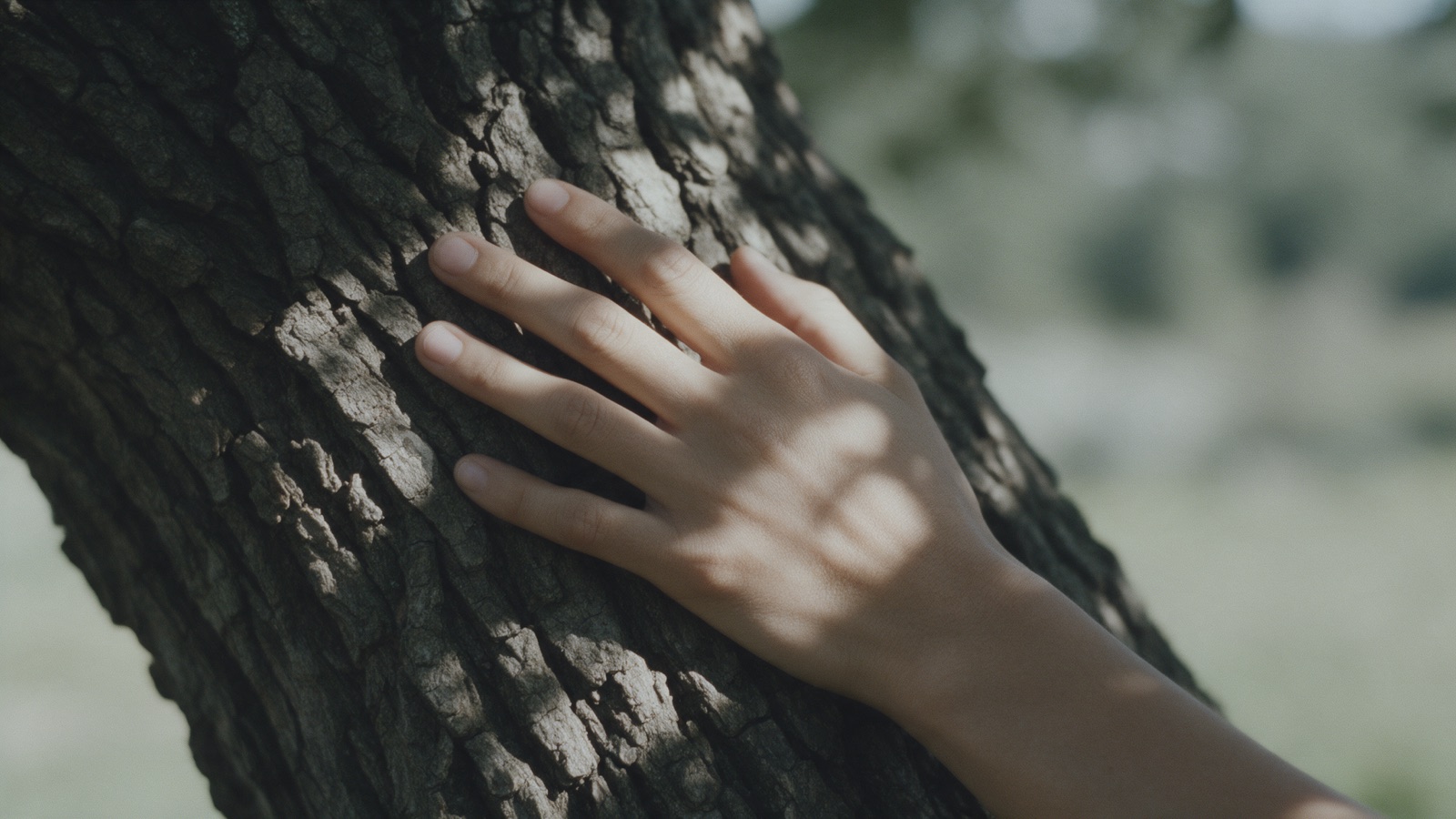
The same walk with one instruction attached beats the walk alone. That finding is the reason Strides exist. Here is the research behind guided walking, and where it stops.
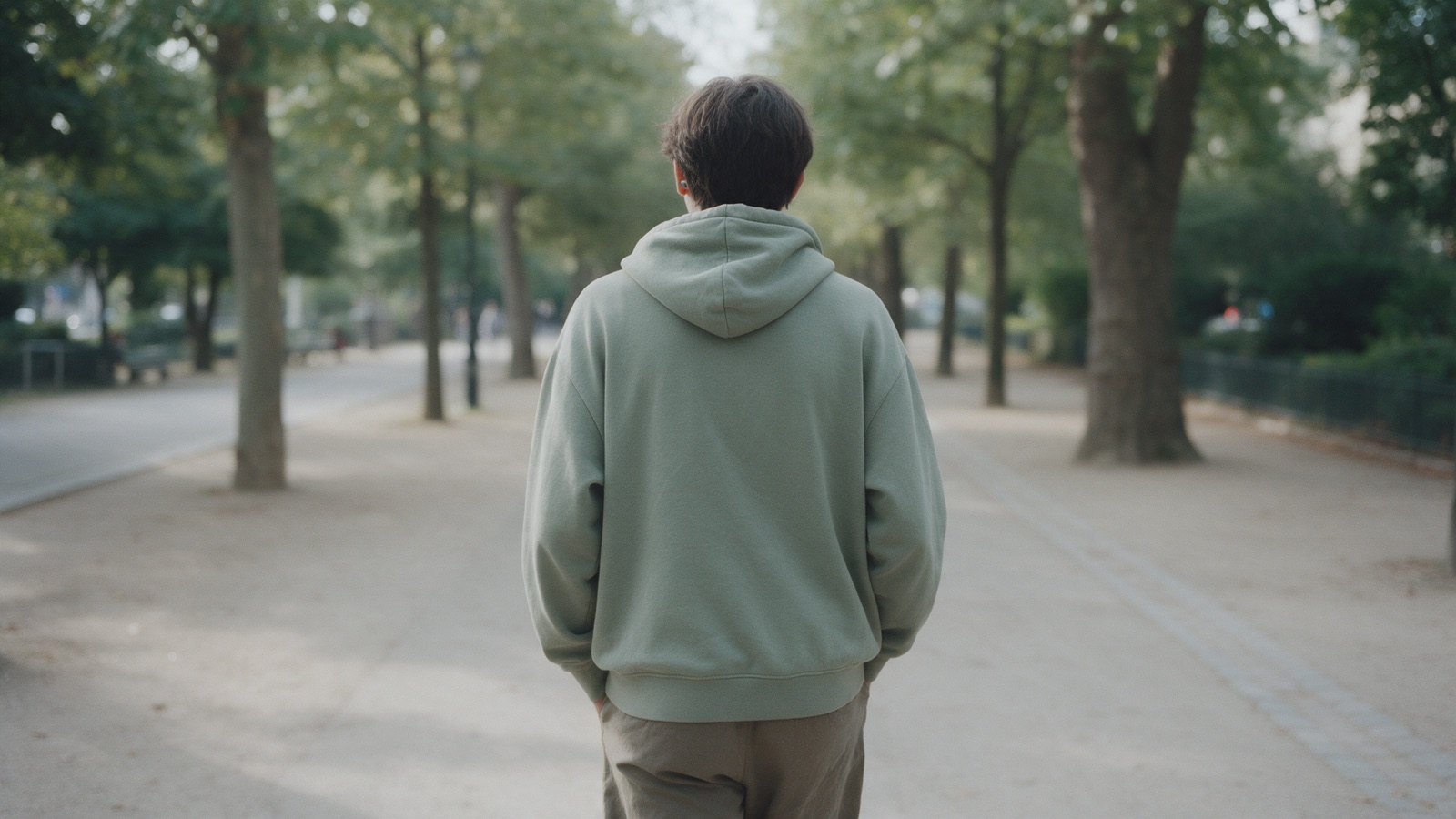
Most of what I build at Mindtrek rests on one question: does a walk get better when someone is talking you through it? I wanted the answer to be yes, which is exactly why I went looking for the studies that might say no.
The short version: a walk with a simple instruction attached outperforms the same walk without one, and the effect is largest for people whose surroundings are least green. A voice can also make a walk a place where hard things get said. It cannot replace the walk, and it cannot replace treatment.
Duvall (2011) randomized 117 adults into two groups for a two-week outdoor walking program. One group simply walked. The other was given short engagement strategies to use on the way: notice things they had never noticed, imagine the route as a stranger would see it, pay attention to how their body was moving. The strategy group reported larger gains in attention and less frustration. The difference was biggest for people walking through less natural surroundings, which is the situation most city walkers are in. Duvall's reading was that when the environment gives you less to hold onto, the instruction supplies it.
Macaulay and colleagues (2022) sent people into a park with different kinds of engagement to try, mindful attention among them, or with no instruction at all. The instructed groups came back with stronger feelings of connection to nature and better mood. No single style won on every measure. What separated the groups was that someone had told them what to do with their attention.
Bigliassi and colleagues (2020) had people walk at their own pace while listening to brief mindfulness instructions, and compared that with the same walk unguided. The guided walk was rated more pleasant and more absorbing, and the researchers recorded shifts in brain activity that lined up with those reports. This is a lab study with a small sample, and it measured a single walk. It is still the clearest picture I know of what a voice does to attention in real time.
Van den Berg and Beute (2021) ran a coaching program for people with burnout and stress complaints where every session happened on foot in nature. Clients reported fewer burnout and stress complaints after the program, and the improvements were still there at follow-up. Greenleaf and colleagues (2024) interviewed clients of walk-and-talk therapy about the experience. They described it as easier to speak side by side than face to face, less confining than a room, and said the movement itself helped them process what came up.
Engel and colleagues (2021) gave entrepreneurs a short guided loving-kindness meditation and measured fear of failure afterwards. The guided practice reduced it, through self-compassion. The study was seated, indoors, and about founders. I include it because it shows that a few minutes of the right voice can move something that most people assume is fixed.
A Stride is a short guided walk in the Mindtrek app, built on the findings above. Each one has a single intention. The coach's voice turns your attention outward, to what is in front of you, more often than inward. The prompts are short and spaced, with silence between them, because the mind-wandering research says the gaps are where the work happens. And every prompt carries a reason, because people follow an instruction they understand.
The Engel study was seated. So was the awe research on people in boats. A guided practice works in a chair by a window, on a balcony, or on a bench. The instruction to look outward is the part that carries; the steps are optional.
For most people, on most days, the research says yes, with the caveat that the studies are short and the samples small. If you already walk with full attention and come back clearer, you do not need a voice. Most of us do not.
No. Walk-and-talk therapy is a licensed therapist walking beside you. A Stride is a guided practice. It can sit alongside treatment and it is a reasonable place to start, and it is not a substitute for care from a professional.
Music can help mood, and a podcast can make a walk pass faster. Neither points your attention at the surroundings, which is what the instructed groups in these studies had. Different tool, different job.
If you want the longer version of this, The Room at the End of the Island is a 45-minute guided walk on Roosevelt Island. For the short version, Strides are in the Mindtrek app.
On the science: every study named here is real and linked below. The summaries and takeaways are my own reading of them, simplified to be useful rather than complete. Where a detail matters to you, the paper is one click away.